Common Phoenix pest problems:one-time treatment or ongoing plan?
Updated July 2026
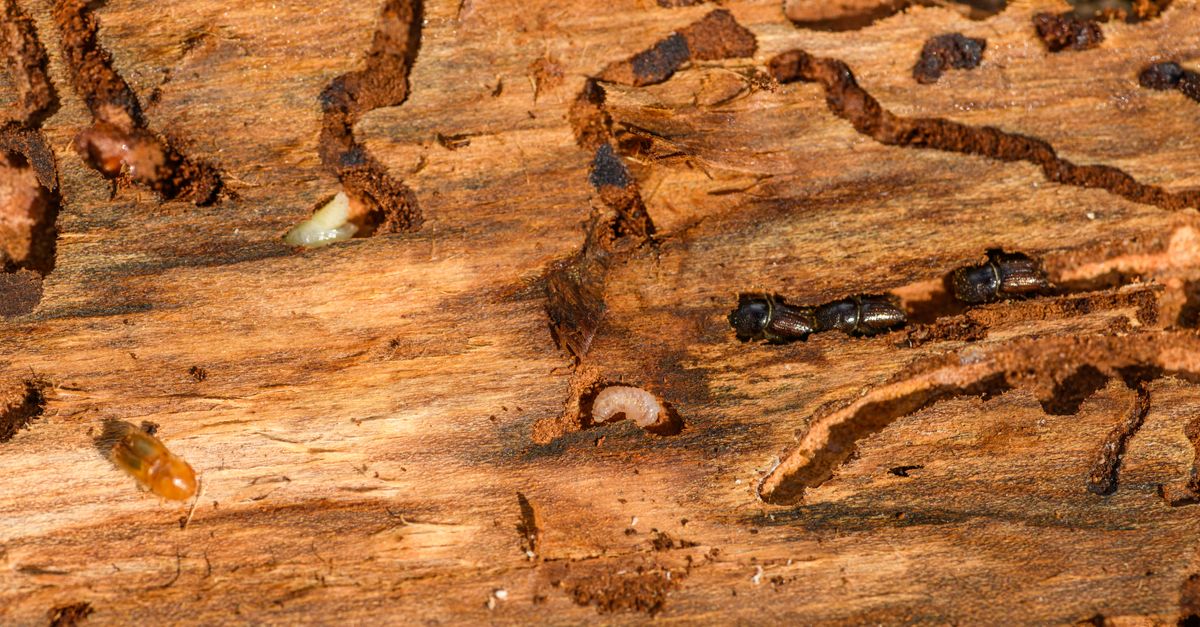
Not every pest problem in Phoenix calls for the same response. A single ant trail might need one visit; a scorpion problem tied to nearby desert usually does not go away on its own. Here is how to think through it.
The most common Phoenix pest problems
Ants, especially after monsoon rain pushes them indoors, are one of the most common calls. Scorpions, particularly in homes near natural desert, are a recurring rather than one-time issue for many Valley homeowners. Termites are less visible day to day but are a real structural concern, since Arizona's dry climate does not spare homes from subterranean termite activity the way people sometimes assume.
One-time treatment or ongoing plan: the rule of thumb
A single, isolated pest sighting with no clear entry point or recurring pattern is often reasonably handled with a one-time treatment. Recurring sightings, a home near open desert (especially for scorpions), or any sign of termite activity generally call for an ongoing plan or, for termites, immediate professional treatment rather than a wait-and-see approach, since termite damage compounds the longer it goes untreated.
Warning signs worth acting on quickly
Discarded termite wings near windowsills or light fixtures, mud tubes on foundation walls (a sign of subterranean termites), scorpions found indoors repeatedly rather than as a one-off, and any pest sighting that keeps recurring despite basic exclusion efforts are all worth a professional assessment sooner rather than later.
Frequently asked questions
Is a one-time pest treatment enough in Phoenix?
For an isolated issue with no clear ongoing source, sometimes yes. For scorpions near open desert, or any recurring pest problem, an ongoing plan is usually more effective than repeated one-time visits, since the source of the pests (nearby desert, an unsealed entry point) is still there otherwise.
How urgent is a termite problem?
Termite damage compounds over time and is not something to wait out. If you see discarded wings, mud tubes on foundation walls, or other signs of termite activity, a professional inspection and treatment plan sooner rather than later limits the damage and the eventual repair cost.