Signs you need a new roof
Updated June 2026
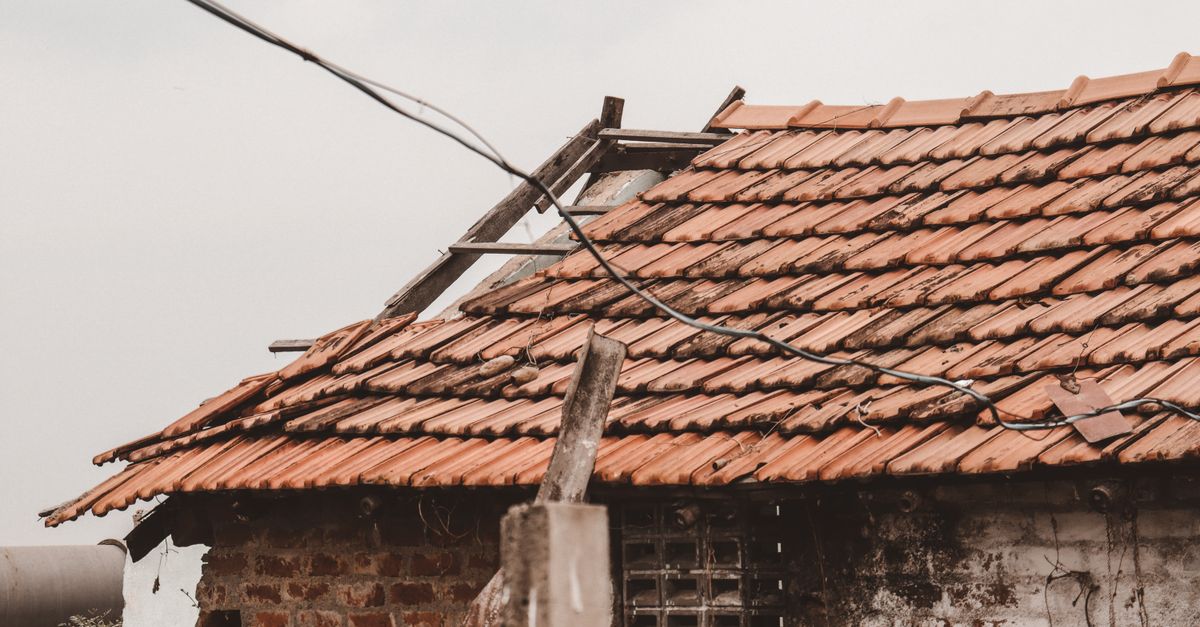
A roof rarely fails all at once. It gives you warning signs, and in Phoenix those signs cluster around two things: age (especially the hidden underlayment on tile roofs) and storm damage from monsoon season. Catching them early is the difference between a $500 repair and a damaged ceiling. Here is what to look for outside, inside, and how to think about repair versus replacement.
Exterior warning signs
From the ground or a ladder (safely), look for cracked, broken, or slipped tiles, especially after a storm; foam that is blistering, cracking, or showing bare spots where the coating has worn off; shingles that are curling, cupping, or losing granules; and damaged or lifted flashing around vents, skylights, and walls. On a tile roof, remember that intact-looking tiles can still sit over underlayment that is at the end of its life, so age matters as much as appearance.
Interior warning signs
Inside, the tells are water stains or discoloration on ceilings and upper walls, peeling paint near the roofline, daylight visible in the attic, or a musty smell that points to trapped moisture. A stain that appears or grows after a monsoon is a clear signal the roof is letting water in. Because Phoenix gets long dry stretches, a slow leak can hide for months and only show itself when the rains come, so check after the first storms of the season.
Repair vs. replace
A localized problem, a few cracked tiles, a flashing leak, a foam blister, is a repair, usually a few hundred to a couple thousand dollars. Replacement or a full re-underlayment makes sense when the underlayment has reached its 20-to-25-year mark, when foam has gone too long without recoating, when shingles are widely worn, or when leaks keep appearing in new spots. A reputable, licensed roofer will show you photos of the actual condition and recommend the smaller fix when it is the right call. Browse vetted local roofers below.
Frequently asked questions
How do I know if my tile roof is failing?
Look past the tiles to age. The underlayment beneath them waterproofs the roof and typically lasts 20 to 25 years in the desert. Cracked or slipped tiles, interior water stains after rain, and an age near that range all point to needing a re-underlayment, even if the tiles themselves look good.
What does roof damage look like after a monsoon?
Common monsoon damage includes cracked or displaced tiles, lifted or torn flashing, blistered foam, and granule loss on shingles, often followed by a new interior water stain. A post-storm inspection catches these before they leak into the ceiling.
Can I just repair my roof instead of replacing it?
Often, yes. Localized issues like a few broken tiles, a flashing leak, or a foam blister are repairs costing a few hundred to a couple thousand dollars. Full replacement or re-underlayment is for age-related wear or widespread damage. A licensed roofer should recommend the smaller fix when it is appropriate.
Should I worry about a small ceiling stain?
Yes, look into it. In Phoenix a slow roof leak can hide through the dry months and only stain the ceiling after the monsoon rains. A small stain now is far cheaper to address than the drywall, insulation, and mold damage a hidden leak causes over time.