Roofing materials for the Arizona desert
Updated June 2026
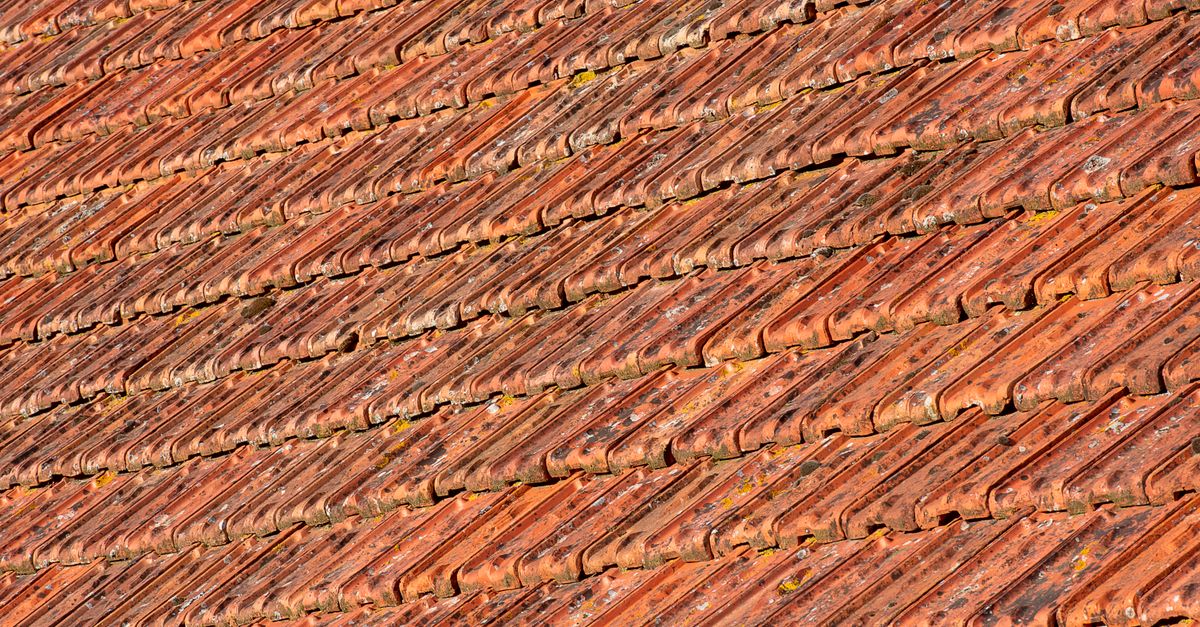
Phoenix is one of the toughest roofing climates in the country: relentless UV, surface temperatures that can top 160 degrees, and monsoon storms that bring wind, dust, and sudden heavy rain. The material on top matters, but in the desert the layer underneath often matters more. Here is how the common Valley roof types actually hold up, and the one thing most homeowners get wrong about tile.
Concrete and clay tile
Tile is the signature Phoenix roof, and for good reason: the tiles themselves are nearly indestructible and can last 50 years or more. The catch is what is under them. The waterproofing on a tile roof is the underlayment beneath the tile, and that felt or synthetic layer is what actually wears out in the desert heat, typically in 20 to 25 years. So a tile roof rarely needs new tile; it needs the tile lifted, the old underlayment stripped, fresh underlayment installed, and the same tiles relaid. If a roofer tells you your 20-year-old tile roof is fine because the tiles look great, they are missing the point.
Spray foam (low-slope and flat roofs)
Many Valley homes, especially mid-century and contemporary styles, have low-slope or flat sections, and spray polyurethane foam (SPF) is the desert standard there. Foam is seamless, insulates well against the heat, and is highly reflective when coated. The tradeoff is maintenance: the protective topcoat breaks down under UV and needs a recoat roughly every 5 years, with the foam itself lasting 20 to 30 years if it is recoated on schedule. Skip the recoats and the sun destroys it quickly, so foam is a great desert roof only if you keep up with it.
Asphalt shingles and metal
Asphalt shingles are the cheapest option and common on pitched roofs, but Phoenix sun is hard on them: heat and UV dry out the asphalt and can cut their life to about 15 to 20 years, shorter than the national average. Reflective cool-roof shingles hold up better and lower attic heat. Metal roofing is the durable, reflective premium choice, lasting 40 to 70 years and shedding monsoon rain well, at a higher upfront cost. For most Valley homes the real choice is tile versus foam by roof shape, with shingles and metal as alternatives on pitched sections.
Frequently asked questions
What is the best roof for the Arizona heat?
It depends on roof shape. For pitched roofs, concrete tile is the long-term favorite (the tiles last 50-plus years; the underlayment is the wear item). For low-slope and flat roofs, spray foam with regular recoats performs well. Metal is the premium, longest-lasting option, and reflective cool-roof products help on any style.
Why does a tile roof need work if the tiles are fine?
Because the waterproofing is the underlayment beneath the tile, not the tile itself. That felt or synthetic layer dries out in the desert heat in about 20 to 25 years. The fix is to lift the tiles, replace the underlayment, and relay the same tiles, often called a re-underlayment or re-felt.
How often does a foam roof need recoating?
Roughly every 5 years. The foam itself can last 20 to 30 years, but its protective topcoat breaks down under Phoenix UV, so it needs periodic recoating to stay waterproof. A foam roof that is recoated on schedule is an excellent desert roof; a neglected one fails fast.
How long do shingles last in Phoenix?
Typically 15 to 20 years, shorter than in milder climates, because the heat and UV dry out the asphalt. Reflective cool-roof shingles last longer and reduce attic heat. If you are reroofing a pitched roof, it is worth comparing shingle against tile or metal for lifespan.