Pool maintenance for the Phoenix heat
Updated July 2026
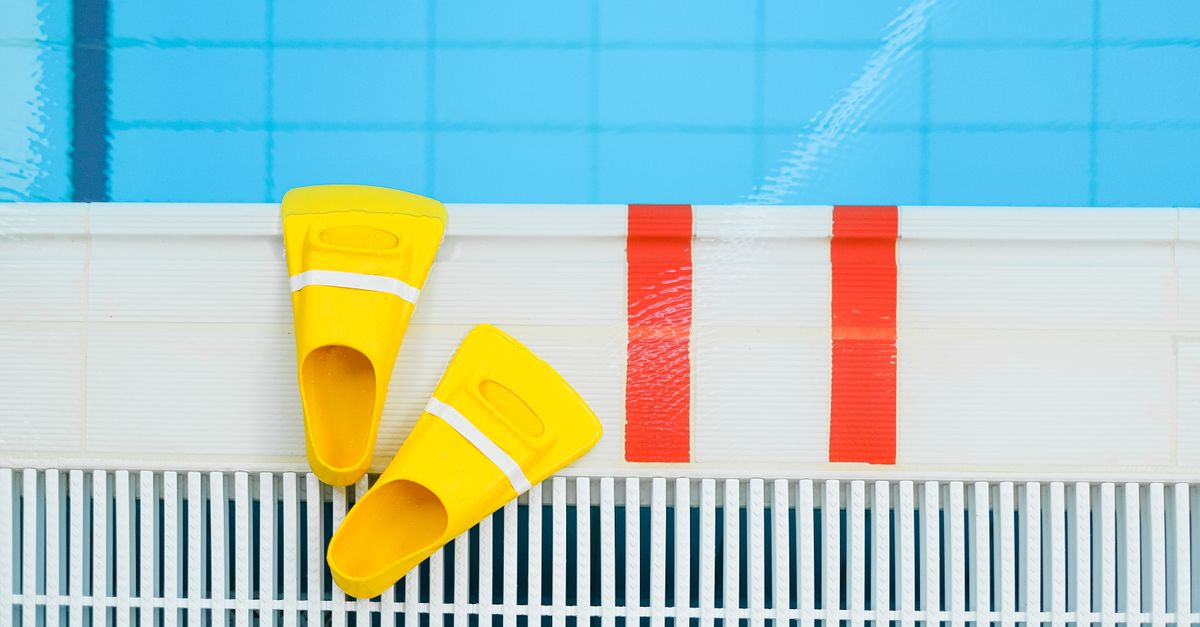
A Phoenix pool is used more months of the year than almost anywhere else, and the same sun and heat that make it so enjoyable also work hard against the equipment and water chemistry. A seasonal check keeps it running through the long swim season.
The pre-summer check
Before the swim season ramps up in spring, have the pump, filter, and heater (if you have one) checked, test and balance water chemistry, and inspect the pool surface for early signs of etching, staining, or cracking. Catching a weak pump or a small surface issue in spring is far cheaper than dealing with a failure during the peak of summer use.
Sun, heat, and chemistry
Intense Arizona sun burns off chlorine faster than in a milder climate, which is why Phoenix pools often need more frequent chemical attention and monitoring, especially in peak summer. High water temperatures also encourage algae growth if chemistry drifts even slightly out of balance. On the equipment side, pumps and heaters run long hours through a five-to-six-month swim season, which shortens their working life compared to pools used only part of the year.
What you can do vs. call a pro
Homeowners can test and adjust water chemistry regularly, skim debris, brush the pool surface to prevent algae buildup, and keep an eye on the water level. Equipment repair, resurfacing, and any electrical work on pumps or heaters are licensed-pro territory in Arizona, both for correct results and for safety around pool electrical systems.
Frequently asked questions
How often should I check my pool equipment in Phoenix?
A professional check before the summer swim season, plus regular homeowner monitoring of chemistry and the pump through the season, is a reasonable baseline. Equipment here runs longer hours through a longer swim season than in most other climates, which is why a pre-summer check matters.
Why does my pool need chemicals more often in summer?
Intense sun burns off chlorine faster, and high water temperatures make algae grow more readily if chemistry drifts. Testing more frequently during peak summer, rather than sticking to a once-a-week routine, helps keep the water balanced.