Pest pressure through the Tucson year
Updated July 2026
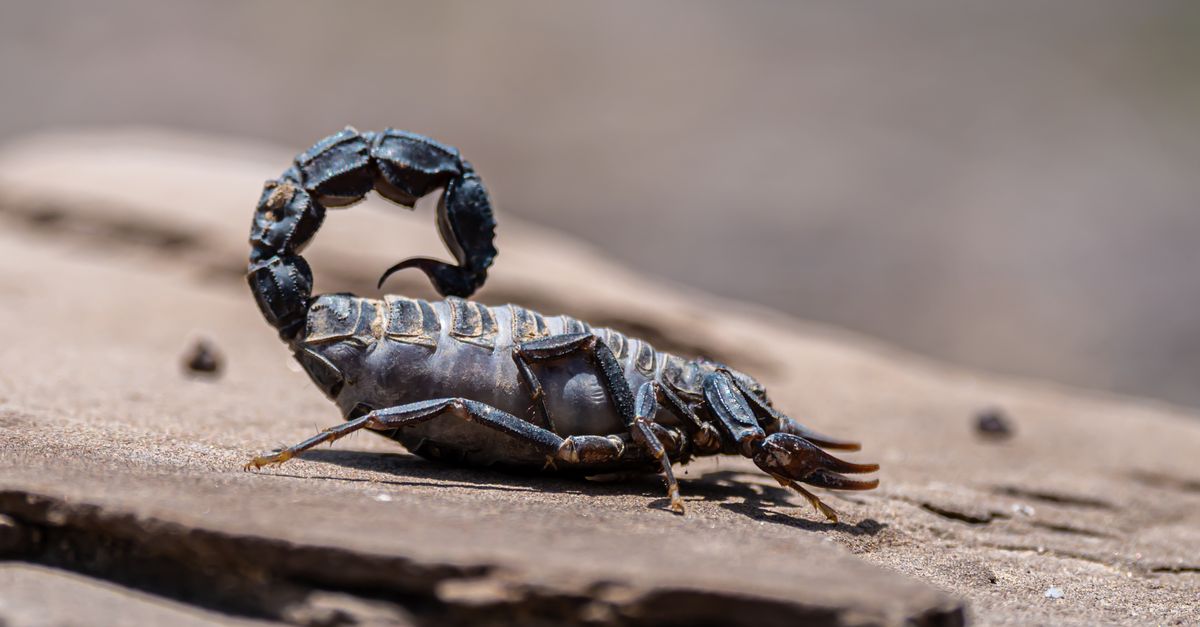
Tucson sits in a valley ringed by mountains, and its higher elevation brings real winter freezes most years, which shapes pest activity here on its own calendar.
The seasonal pattern
Scorpion activity picks up as temperatures warm in spring and stays elevated through the hot summer months, since they are most active at night in warm weather. Africanized bee activity, which is common in the Tucson area year-round, peaks in spring and early summer as colonies swarm to establish new hives. Monsoon rain pushes ants and other pests indoors as their outdoor colonies flood, and it can also flush pack rats and kissing bugs out of desert wash areas and into yards and homes. Termite swarms, when winged termites emerge to start new colonies, commonly follow rain, both in spring and during monsoon season.
Tucson's real winter freeze
Tucson's higher elevation typically brings a number of nights below freezing most winters, with the first freeze usually arriving in early December and the last in early February. Cold weather slows most insect activity, but it does not eliminate pest pressure, since pack rats, rodents, and overwintering scorpions still seek out warm, sheltered spots, including inside homes, garages, and vehicles, during cold snaps.
What you can do vs. call a pro
Homeowners can seal visible gaps around doors, windows, and utility penetrations, keep firewood, debris piles, and dense vegetation away from the house, and check vehicles and outbuildings for pack rat nesting material, especially after monsoon season. Bee swarms, any suspected Africanized colony, termite treatment, and kissing bug infestations tied to a nearby pack rat midden are best left to a licensed pest management professional, since attempting removal yourself carries real safety and health risks.
Frequently asked questions
Does Tucson get cold enough to reduce pest activity in winter?
Yes, to a degree. Tucson's higher elevation typically brings a number of freezing nights each winter, roughly between early December and early February, which slows most insect activity. Pack rats and rodents, however, often seek shelter inside homes, garages, and vehicles during cold snaps, so rodent exclusion work stays relevant year-round.
When are Africanized bees most active around Tucson?
Africanized bee activity is present year-round in the Tucson area but peaks in spring and early summer, when colonies swarm to establish new hives. Because almost all wild bee activity here is at least partly Africanized, any swarm near a home is worth treating as a professional-removal situation rather than a DIY one.