Paint maintenance for Tucson's climate
Updated July 2026
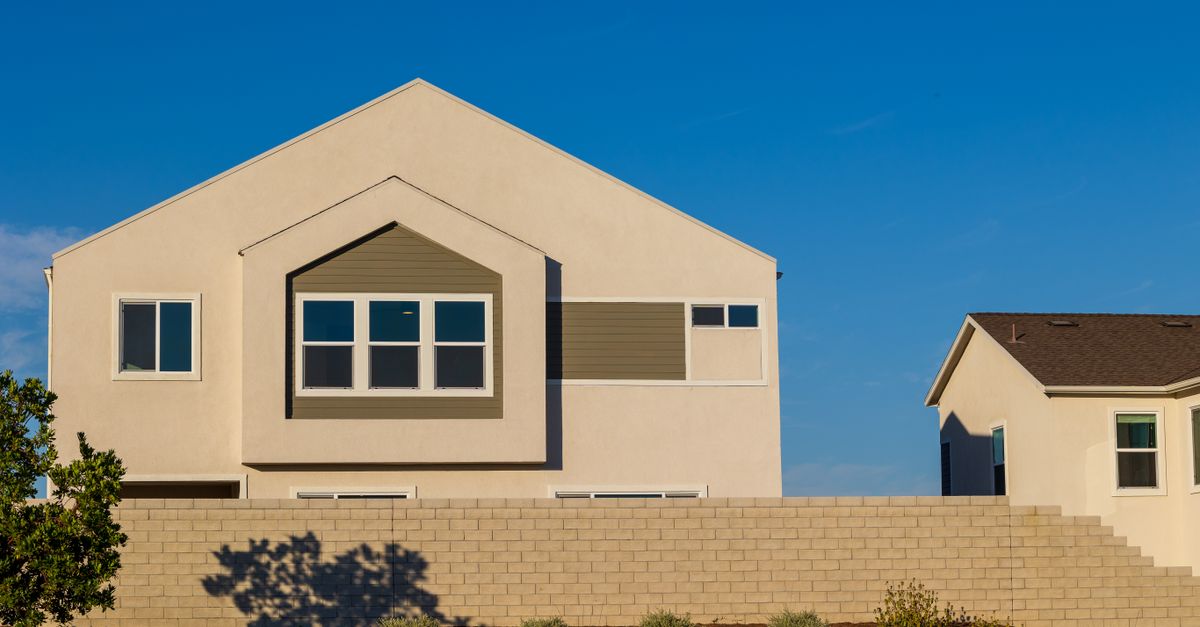
Tucson's higher elevation brings hot summers, a real monsoon, and genuine winter freezes, with actual freezing nights each year. Each of those affects exterior paint differently. A short seasonal check keeps small issues small.
The pre-summer and pre-monsoon check
The National Weather Service's official monsoon window for Tucson runs June 15 through September 30. Before that window opens, walk the exterior and look for chalking (a powdery residue when you rub the surface), fading, peeling near roof lines and window frames, and any stucco cracks. Catching a small crack before monsoon rain drives water behind the paint line is far cheaper than repairing water damage afterward.
Sun, elevation, and monsoon: why paint wears here
Tucson's summer highs still average around 101 degrees in June and 100 in July, so UV exposure breaks down paint's binders on south- and west-facing walls much like it does anywhere in the low desert. Tucson's higher elevation also means a bigger swing between daytime and nighttime temperatures than at lower elevations, which stresses paint's bond to stucco and wood trim as surfaces expand and contract. Monsoon downpours then find any gap that heat and sun have already opened.
Tucson's winter freeze window
Tucson averages about 12 nights a year at or below freezing, typically clustered from early December into early February. Most exterior latex paints need surface and air temperatures well above freezing to cure properly, so exterior painting scheduled for December or January can fail to bond correctly if it is rushed onto a cold surface. If you are planning a winter exterior job, ask your painter how they are timing it around cold nights, and lean toward late winter or spring for exterior work if your schedule allows it.
What you can do vs. call a pro
Homeowners can rinse dust and chalking residue off exterior walls with a garden hose, touch up small nicks with matched leftover paint, and keep an eye out for new cracks after storms or after a hard freeze. Full exterior repaints, stucco crack repair, and any job requiring scaffolding or working at height are best left to a licensed painting contractor, both for a durable result and for safety.
Frequently asked questions
How often should exterior paint be redone in Tucson?
Most Tucson homes need a fresh exterior coat every several years, sooner on south- and west-facing walls that take the harshest sun, and sooner still with lower-quality paint. A walk-around after summer, after monsoon season, and after any hard freeze helps you catch problems early.
Does Tucson really get cold enough to affect exterior paint?
Yes. Tucson averages about 12 nights a year at or below freezing, mostly December through early February, per National Weather Service normals. Exterior latex paint generally needs temperatures well above freezing to cure properly, so cold-weather exterior jobs need careful timing.
Should I check my paint before monsoon season?
Yes. The National Weather Service's official Tucson monsoon window is June 15 through September 30. A quick walk-around before it starts, looking for cracks, peeling, or gaps near trim and rooflines, lets you fix small issues before wind-driven rain gets behind the paint line.