Common Tucson paint problems:touch-up or full repaint?
Updated July 2026
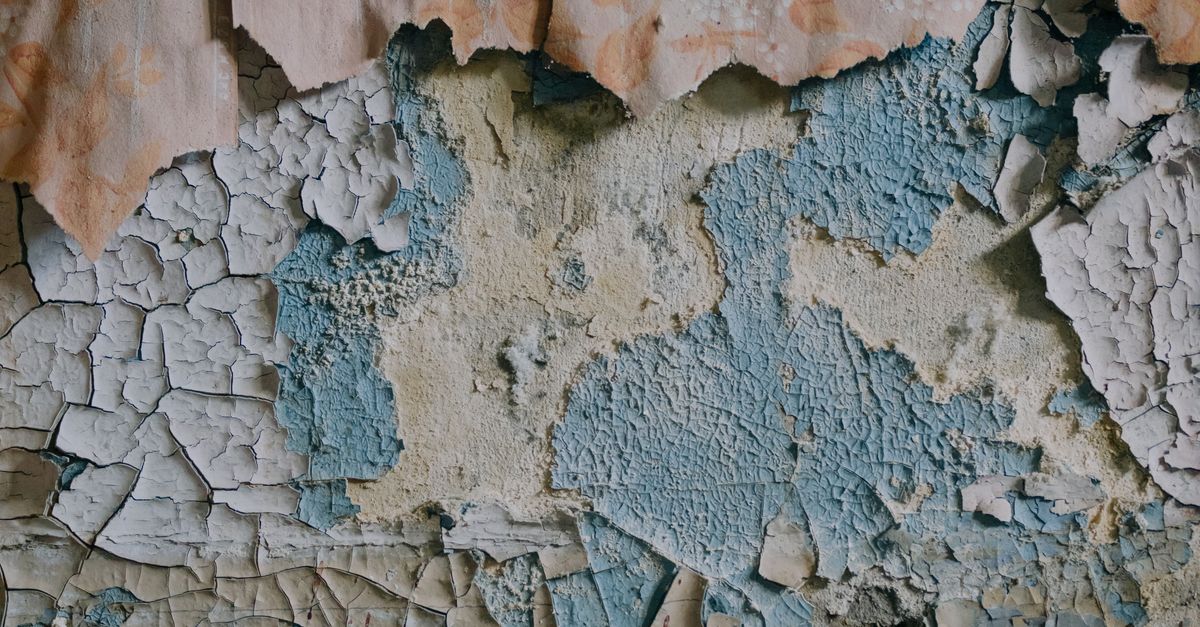
Not every paint problem needs a full repaint. Tucson's combination of intense sun, a real monsoon, and genuine winter freezes produces a specific set of failures. Knowing what you are looking at, and how far it has spread, helps you decide whether a touch-up will hold or whether it is time for the whole surface.
The most common paint failures in Tucson
Chalking (a powdery residue that rubs off on your hand) is the most common sign of sun-worn paint, most visible on south- and west-facing walls that take the harshest afternoon sun. Stucco cracking shows up often here too, partly because Tucson's higher elevation brings a bigger swing between daytime and nighttime temperatures than lower-elevation desert areas, which stresses stucco as it expands and contracts. Peeling or cracking near trim and caulk lines that shows up specifically after a cold winter can point to a freeze-related failure, paint or caulk applied without enough cure time before a hard freeze is more likely to crack or lose adhesion the following season.
Touch-up vs. full repaint: the rule of thumb
If the issue is isolated (a single wall, a small patch, minor scuffing) and the rest of the paint is still sound, a touch-up with matched paint is usually enough. If chalking or fading is spread across most of a sun-exposed elevation, if you see peeling in multiple spots, or if the paint is showing its age, a full repaint of that surface tends to look better and last longer than patchwork, since new and old paint can visibly mismatch in sheen and color over time.
Warning signs before it gets worse
Watch for peeling that keeps returning in the same spot (often a sign of an underlying leak or moisture source that needs to be fixed first), stucco cracks that widen after monsoon season or after a hard freeze, and wood trim that feels soft or shows peeling paint, which can mean rot underneath. Any of these are worth a professional look before simply repainting over the problem.
Frequently asked questions
Why does my house paint look chalky or faded in Tucson?
Chalking and fading are caused by UV exposure breaking down the paint's binders over time, and it shows up fastest on south- and west-facing walls that take the most direct sun. A UV-resistant exterior paint slows this but a heavily chalked surface usually needs a fresh coat.
Can Tucson's winter cold actually damage paint?
Yes. Tucson averages about 12 nights a year at or below freezing, and paint or caulk that did not have enough time to cure before a hard freeze can crack or lose adhesion, often showing up as cracking near trim and caulk lines the following season.
When should I repaint instead of touching up?
If fading, chalking, or peeling covers most of a wall or surface, or the paint is showing its age, a full repaint of that surface usually looks and lasts better than a touch-up, since matching old, sun-worn paint exactly is difficult.