Paint sheen guide:which finish goes where
Updated 2026-07-08
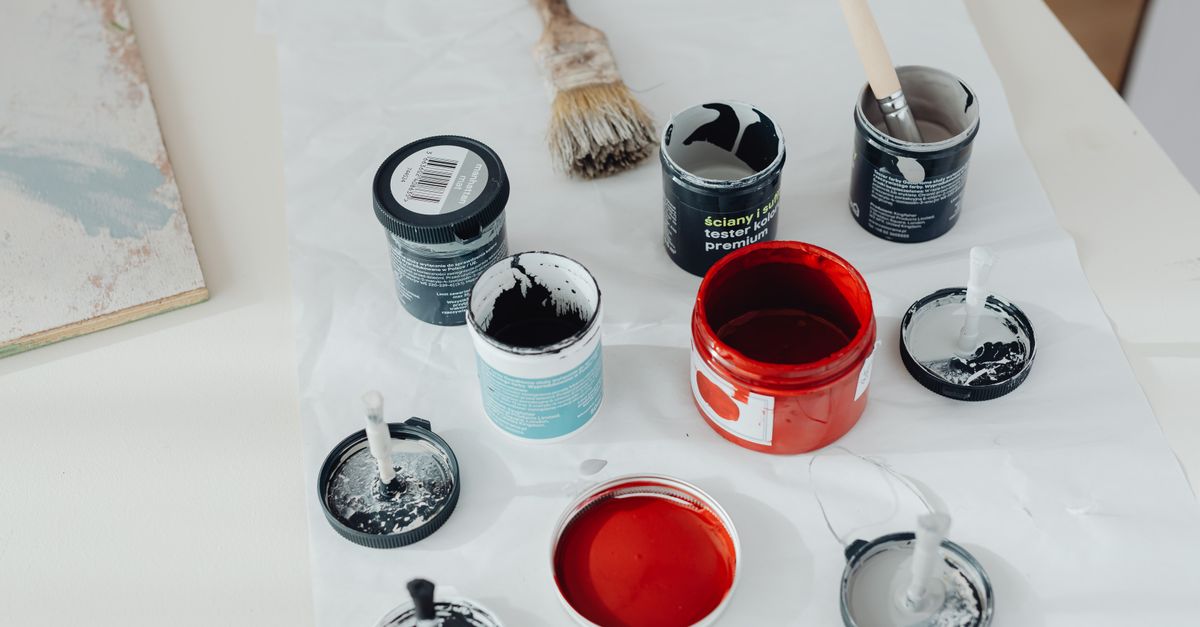
Paint sheen affects how a color looks, how easy a wall is to clean, and how well it hides imperfections. Choosing the right one for each room makes a real difference in how a paint job holds up over time.
Flat and matte
Flat and matte finishes have little to no shine and do a good job hiding surface imperfections like small dents or uneven drywall. They are common on ceilings and in low-traffic rooms such as formal living rooms or adult bedrooms. The tradeoff is that flat finishes are harder to wipe clean without leaving a mark, so they are not the best choice for high-traffic walls.
Eggshell
Eggshell has a slight sheen, a little more than flat but still soft-looking. It is a common all-purpose choice for living rooms, dining rooms, and bedrooms because it balances a smooth look with somewhat easier cleaning than flat paint. It still shows some wear in very high-traffic areas.
Satin
Satin has a noticeable, soft sheen and stands up well to cleaning, which makes it a popular choice for hallways, kids rooms, and family rooms where walls get bumped and touched often. It is more washable than eggshell while still looking smooth rather than shiny.
Semi-gloss
Semi-gloss has a shinier finish and is highly washable, which is why it shows up often on trim, doors, cabinets, and in kitchens and bathrooms where moisture and grease are a factor. The tradeoff is that a shinier finish highlights surface flaws more than a flatter sheen would.
High-gloss
High-gloss is the shiniest and most durable option, often reserved for doors, trim, and cabinetry where a polished look and heavy-duty cleanability matter most. It requires the smoothest surface prep since it reflects light and shows every imperfection underneath.
A simple way to choose
As a general rule, sheen goes up as traffic, moisture, and the need for cleaning go up. Ceilings and low-traffic rooms lean flat or eggshell, living spaces and hallways lean satin, and kitchens, bathrooms, trim, and doors lean semi-gloss or gloss. Ask your painter for a sample on your actual wall before committing, since lighting changes how a sheen looks in person.
Frequently asked questions
What sheen is best for a kitchen?
Satin or semi-gloss is common for kitchen walls because they hold up better to grease, moisture, and cleaning than a flatter finish. Cabinets and trim often go a step glossier than the walls.
Why do ceilings usually get a flat finish?
Flat paint hides small imperfections well and does not reflect light, which keeps the ceiling from drawing attention to bumps or uneven texture. Ceilings also see far less contact and cleaning than walls do.
Does a higher sheen cost more?
Sheen itself is not usually the main price driver, paint quality and brand matter more. That said, some higher-sheen specialty products for trim and cabinetry can cost more per gallon than standard wall paint.
Can I mix sheens in the same room?
Yes, and it is common. Many rooms use one sheen on the walls and a glossier one on trim and doors for contrast and durability. Just keep the color consistent if you want a cohesive look.