Accent wall ideas (and how to paint one yourself)
Updated July 2026
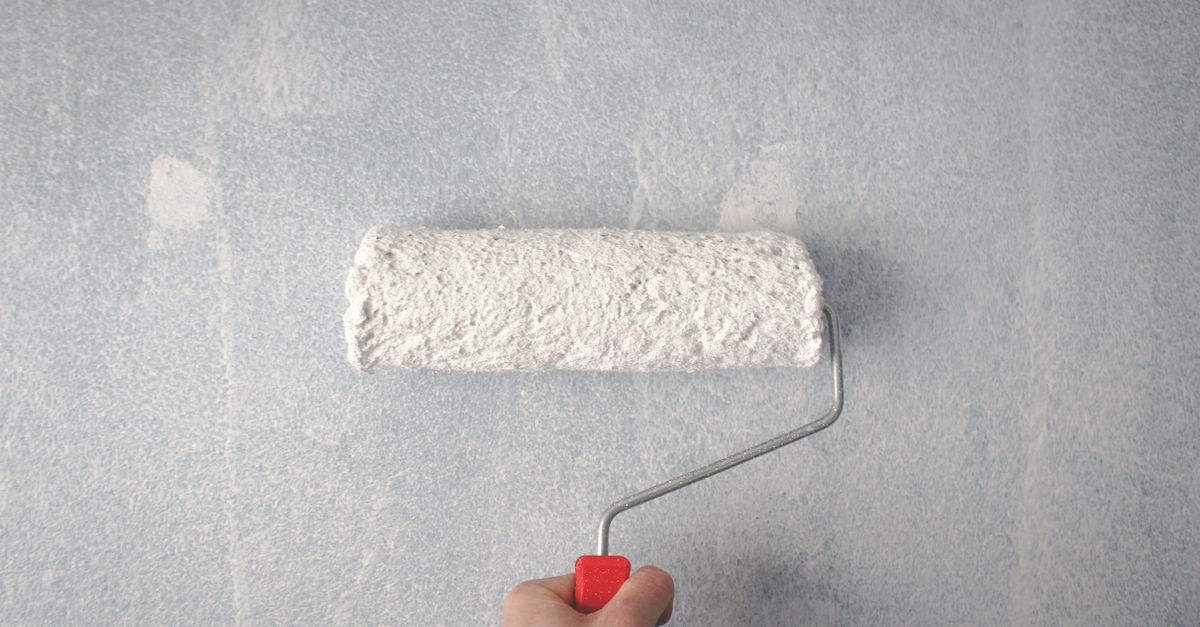
An accent wall is the cheapest high-impact change you can make to a room, and a single wall is one of the friendliest paint projects to try yourself. The short walkthrough below covers the basics, and the sections after it help you pick the wall and color, get the color right in your room's light, and know when a job is better handed to a pro.
Choosing the wall and the color
The best accent wall is the one your eye lands on first when you walk in, often the wall behind a bed, a sofa, or a fireplace. Pick a color a few shades bolder or deeper than the room's main walls so it reads as intentional rather than a mistake. Pulling the accent color from something already in the room, a rug, a piece of art, a throw pillow, keeps the whole space feeling tied together instead of random.
Painting it yourself, step by step
Clear and cover the area, then tape off the ceiling, baseboards, and the two adjoining walls so your edges stay crisp. Cut in the corners and edges with a brush first, then roll the open field in a W pattern for even coverage. Most accent walls need two coats. Pull the tape while the last coat is still slightly wet for the cleanest line. A single standard wall is usually a few-hour afternoon project for a comfortable DIYer.
Test the color in your room's real light
Paint colors shift a lot between the store, the chip, and your wall. Bright rooms with strong natural light wash colors out, so a shade that looked bold on the sample can read pale once it is up. Always paint a sample patch and look at it in the morning and again in the afternoon before committing to gallons. On a textured wall, a slightly higher sheen like eggshell or satin covers more evenly and cleans up better than a dead-flat finish.
When it is worth handing to a pro
A flat, reachable interior wall is a great DIY. It gets harder fast when the wall is a two-story stairwell or entry that needs a ladder, when you are covering a dark color with a light one (which can take three or more coats), when the texture is heavy, or when you want truly furniture-grade sharp lines. For those, a licensed local painter gets a cleaner result in less time and without the ladder risk.
Frequently asked questions
Is an accent wall a good DIY project?
For most people, yes. A single flat, easily reachable interior wall is one of the simplest paint jobs to do yourself in an afternoon. It gets trickier with high walls, heavy texture, or covering a dark color with a light one, which is where a pro saves time and frustration.
How much paint do I need for one accent wall?
One gallon covers roughly 350 to 400 square feet per coat, so a single standard wall almost always fits in one gallon even with two coats. Measure the wall's width times height, double it for two coats, and buy accordingly, with a little extra for touch-ups.
Should the accent wall be darker or lighter than the other walls?
Most accent walls go a few shades darker or bolder than the surrounding walls so the wall stands out on purpose. Lighter accents can work, but in a bright room a deeper tone tends to hold its impact better against strong natural light.