Low-water landscaping principles
Updated 2026-07-08
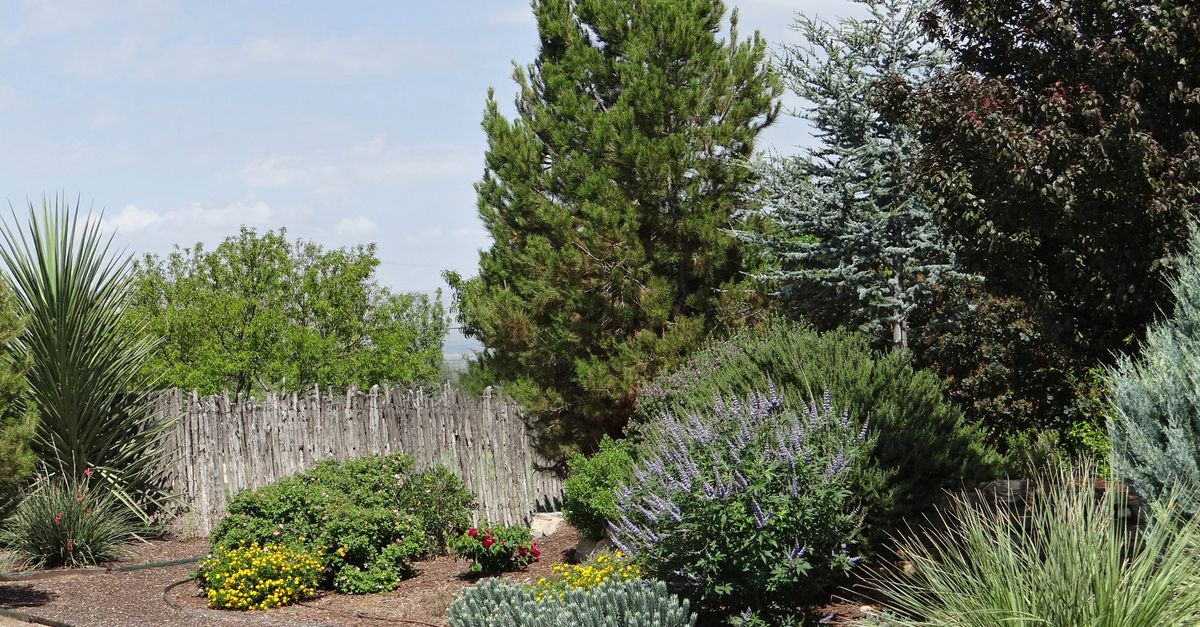
Low-water landscaping is not just a desert idea. The same handful of principles cut water use in almost any climate, and they usually mean less mowing and less upkeep too. Here is what actually drives the savings.
Design around water use from the start
Group plants by how much water they need instead of scattering thirsty and drought-tolerant plants together. This lets you water each zone only as much as it needs, rather than over-watering the whole yard to keep the thirstiest plants alive. Put the plants that need the most water closest to the house, where you notice and use them most, and let the rest of the yard go leaner.
Improve the soil first
Healthy soil holds water better, which means less runoff and fewer watering cycles. Working compost or organic matter into the soil before planting improves how well it absorbs and retains moisture. This one step is easy to skip but pays off for years, since soil structure does not fix itself later without digging everything back up.
Choose plants suited to your actual climate
A plant that is genuinely adapted to your regional climate needs far less supplemental water once established than one that is fighting the local conditions. Native and regionally adapted plants are usually the lowest-water option, since they evolved for the rainfall pattern you already have. A local extension office or nursery can point you to species that thrive without heavy irrigation where you live.
Water efficiently, not just less
Drip irrigation delivers water directly to the root zone with far less loss to evaporation and wind than spray sprinklers. Watering deeply but less often encourages roots to grow deeper, which makes plants more resilient during dry stretches. A timer or smart controller helps keep the schedule consistent instead of relying on memory.
Mulch and keep turf areas small and intentional
A layer of mulch over open soil slows evaporation, moderates soil temperature, and cuts down on weeds that compete for water. Lawn is usually the thirstiest part of any yard, so keeping turf to a small, purposeful area, rather than a default backdrop for the whole property, is one of the biggest single water savers available.
Frequently asked questions
Does low-water landscaping mean giving up a green yard?
No. A well-designed low-water yard can be full and colorful. It simply relies on plants suited to the local climate and efficient watering instead of a thirsty lawn and constant irrigation to force plants that do not naturally belong there.
What is the single biggest water saver in a yard?
Reducing turf area usually has the biggest impact, since lawn is typically the thirstiest part of a landscape. Pairing that with drip irrigation and climate-adapted plants compounds the savings further.
Is drip irrigation worth it over sprinklers?
For planted beds, yes. Drip delivers water straight to the roots with much less lost to evaporation and wind than spray sprinklers. A small turf area can stay on its own separate sprinkler zone if you keep some grass.
How do I find out which plants are low-water in my area?
A local university extension office, botanical garden, or independent nursery can point you to plants that are native or well adapted to your specific climate and rainfall pattern, which is more reliable than a general national plant list.