DIY gravel yard:converting a lawn to low-water desert landscaping
Updated July 2026
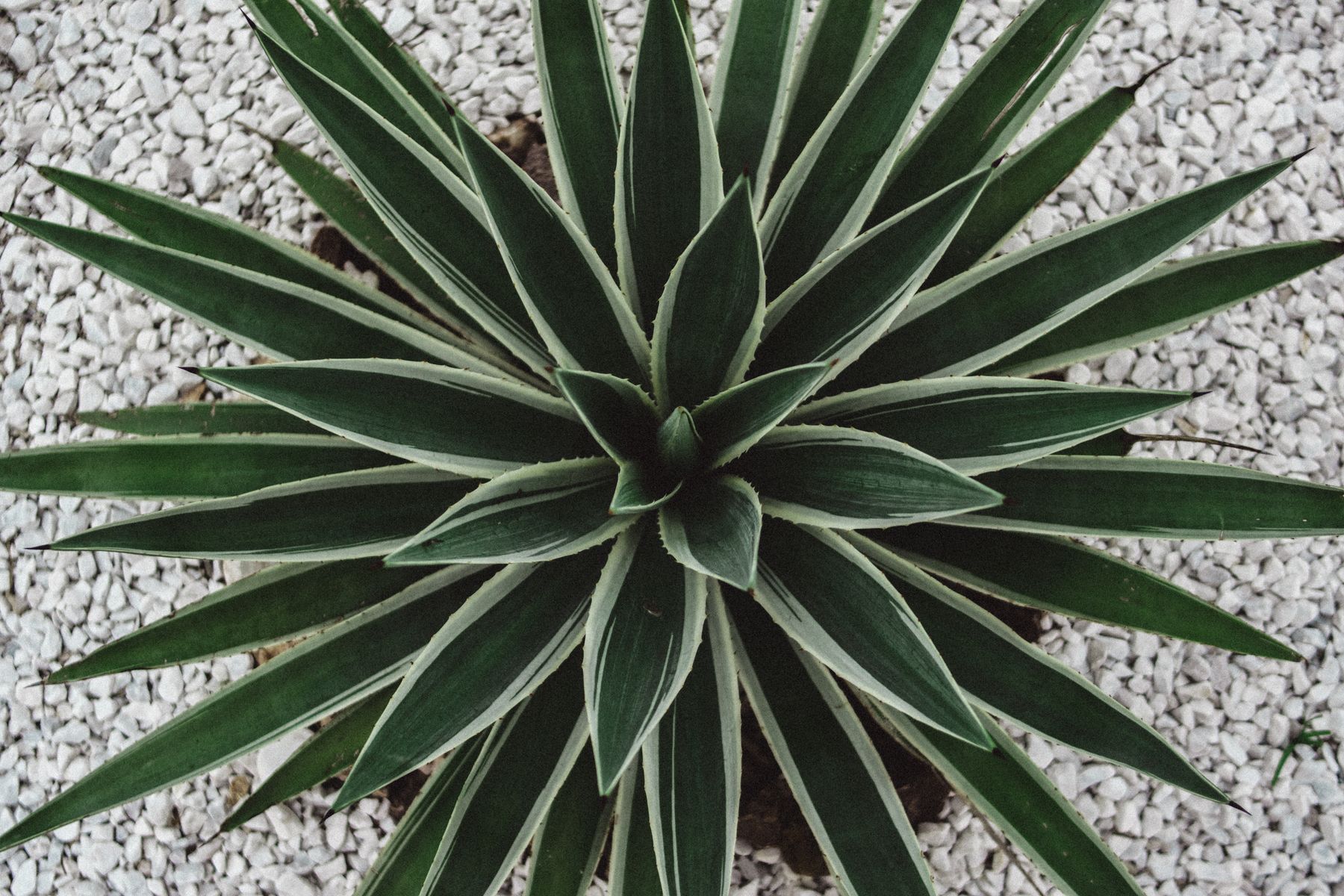
Trading a thirsty lawn for a desert gravel yard is one of the highest-value projects a homeowner in a hot, dry climate can take on, cutting the water bill and the weekend mowing at the same time. A small, flat area is a doable weekend job. The walkthrough below shows the basics, and the sections after it cover the steps, rough costs, and the point where a licensed landscaper earns their fee.
Plan the layout before you dig
Sketch where you want gravel, plants, a path, and any seating before touching a shovel. Group plants by water need, place larger shade plants on the south and west sides to cool the house, and leave planting pockets in the gravel rather than graveling the whole yard flat. Call 811 for free utility line marking before you dig anywhere, which is free and required across the US.
Removing the grass and laying the base
Strip the existing grass and roots, then grade the soil so water drains away from the house, not toward it. Roll out a quality woven landscape fabric to block weeds, overlapping the seams and pinning it down. Spread your gravel or decomposed granite over the top, generally two to three inches deep for good coverage. Decomposed granite compacts into a firm surface for paths, while larger rock reads as a decorative field.
How much gravel, and rough DIY cost
As a rule of thumb, one cubic yard of gravel covers roughly 100 square feet at three inches deep, so measure your area and divide to estimate loads. Bulk gravel from a landscape-materials yard is far cheaper by volume than bagged rock for anything larger than a small bed. Doing it yourself, the main costs are the rock, the landscape fabric, and either delivery or a truck rental. The bigger the area, the more the labor of hauling and spreading becomes the real cost, which is where many homeowners decide to hire out.
When to bring in a landscaper
A small, flat, square area is a fair DIY. The job gets professional fast when it needs real grading or drainage correction, a new drip irrigation system for the plants, heavy materials like boulders or pavers, or when the area is large enough that hauling tons of rock by wheelbarrow stops being realistic. A licensed local landscaper also knows which desert-adapted plants survive a first summer, which is where most DIY plantings fail.
Frequently asked questions
Is a DIY gravel yard worth it?
For a small, flat area, yes. It saves significant water and mowing, and the materials are affordable in bulk. Larger yards, or anything needing grading, drainage, or irrigation, are usually faster and better done by a licensed landscaper.
How much gravel do I need for my yard?
One cubic yard covers about 100 square feet at three inches deep. Measure your area in square feet, divide by 100, and that is roughly how many cubic yards to order. Buying in bulk from a landscape-materials yard is much cheaper than bagged rock for larger areas.
Do I need weed barrier under the gravel?
A quality woven landscape fabric under the gravel greatly reduces weeds and keeps rock from sinking into the soil. It is not perfect, wind-blown seed can still sprout in the gravel on top, but it makes long-term maintenance much easier.