Warning signs of unsafe wiring
Updated 2026-07-08
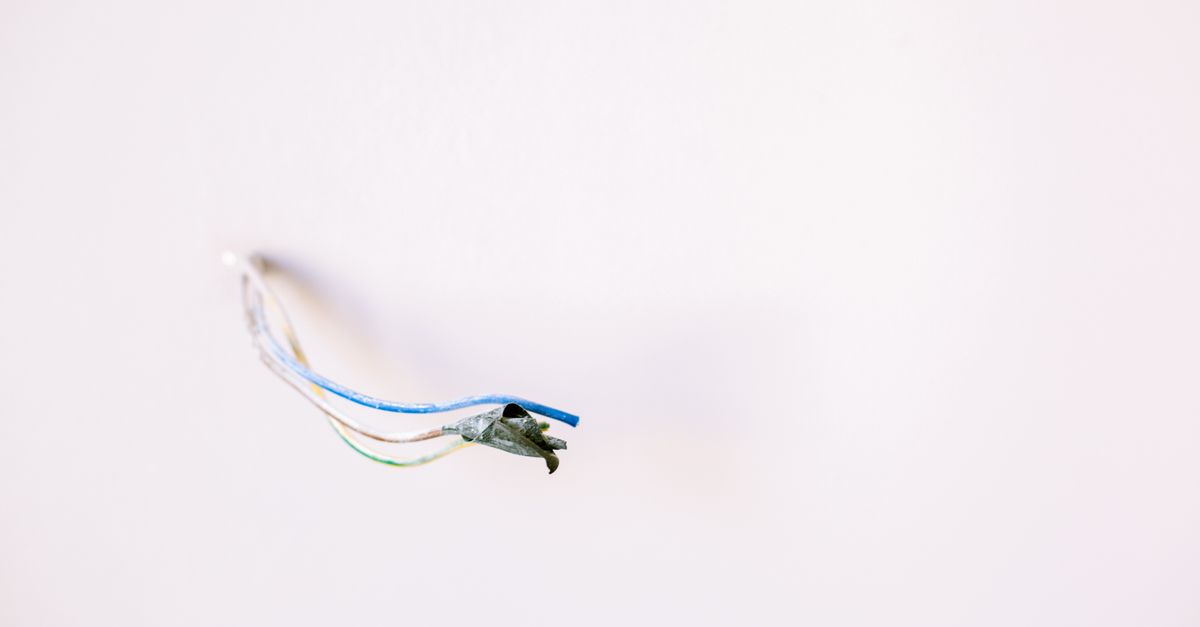
Electrical wiring rarely fails without warning. Most homes send small signals well before a real problem develops. Learning to spot them early can prevent a fire and a costly repair. Here are the signs worth acting on, wherever you live.
Signs inside the house
Watch for lights that flicker or dim for no clear reason, outlets or switch plates that feel warm to the touch, and a burning or fishy smell near an outlet or the panel. A buzzing or crackling sound from an outlet, switch, or the panel is never normal. Breakers that trip repeatedly are also a warning sign, not just an inconvenience to reset.
Signs at outlets and switches
Discolored or scorched outlet covers point to heat damage that has already started. Sparks when you plug something in, a loose-fitting outlet that a plug falls out of, and outlets with only two prongs and no ground are all signs the wiring or the device needs a look. An extension cord permanently feeding a spot that needs its own outlet is also a sign the circuit is not keeping up with what the home actually needs.
Signs at the panel
A panel that feels warm, hums loudly, or shows any rust or corrosion should be checked. So should a panel with a fuse box instead of breakers, which usually means the system has not been updated in decades. A few older panel brands have a documented history of breakers that can fail to trip during an overload, so a panel replacement is sometimes recommended even without obvious symptoms.
Older wiring types worth knowing about
Homes built before the 1960s and 1970s sometimes still have knob-and-tube wiring or aluminum branch wiring instead of modern copper. Neither is automatically dangerous, but both have known failure points and are worth having evaluated by a licensed electrician, especially during a renovation. Ungrounded two-prong outlets are another sign of an older, unupdated system.
What is urgent vs. what can wait
A burning smell, visible smoke, scorch marks, sparking, or a hot panel is an emergency. Turn off the affected breaker if you can safely reach it and call an electrician right away. Repeated tripping, warm outlets, and ongoing flickering are not emergencies but should be looked at within days. Cosmetic or convenience items, like adding an outlet, can be scheduled at your convenience.
When to call a licensed electrician
Any of the signs above are worth a professional look rather than a guess. Electrical work is regulated in most places, so check your state's contractor licensing board to confirm an electrician is licensed before hiring, and ask for their license number up front. An active license does not guarantee great work, but it confirms there is an actual record of who did the job.
Frequently asked questions
Is a warm outlet always dangerous?
Treat it as urgent. A warm or hot outlet usually means a loose connection or an overloaded circuit, which can arc and start a fire. Stop using it, switch off the breaker if you can, and call a licensed electrician soon.
Why do my breakers keep tripping?
A breaker trips to protect the circuit from an overload or a fault. An occasional trip from too many devices on one circuit is normal. Frequent trips usually mean an overloaded circuit, a failing breaker, or a wiring problem worth having checked.
Is flickering lights always an electrical problem?
A single flickering fixture is often just a loose bulb or a worn switch. Flickering or dimming across the whole house, especially when a large appliance starts, can point to a loose service connection or an overloaded panel, which is worth a professional look.
How do I know if my home has outdated wiring?
Homes built before the 1960s and 1970s are the most likely to have knob-and-tube or aluminum wiring. An electrician can identify the wiring type during an inspection and tell you whether it needs updating.