How to read your electrical panel
Updated 2026-07-08
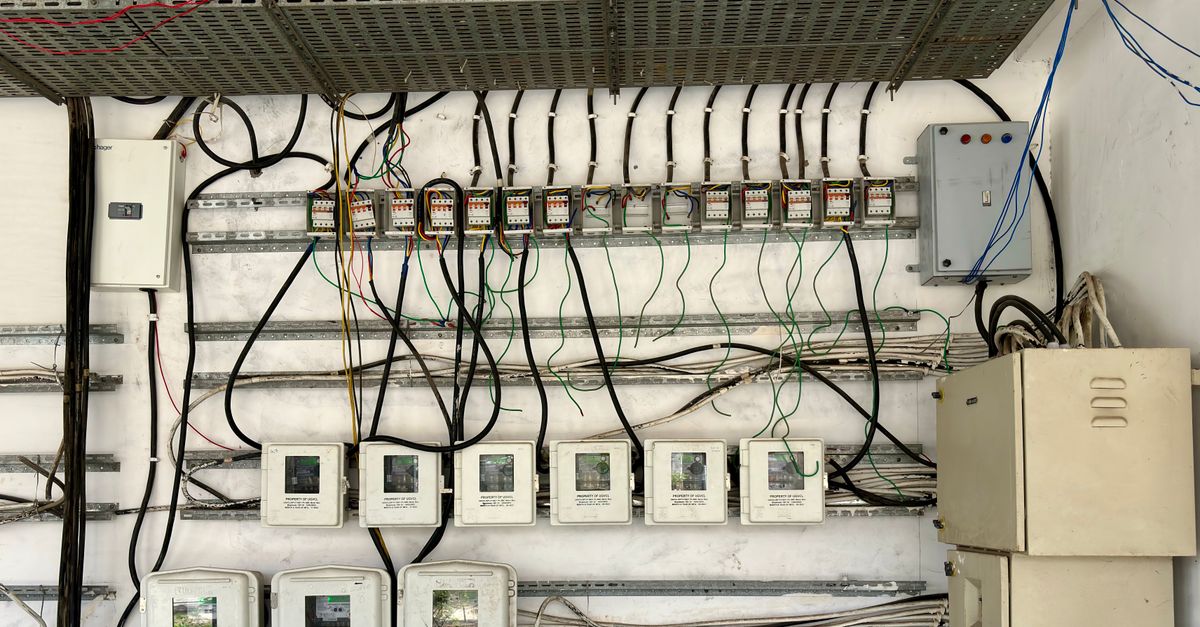
The electrical panel controls power to every circuit in your home, but most homeowners never open it except to reset a tripped breaker. Learning to read it makes troubleshooting easier and helps you talk to an electrician with confidence.
The main breaker
The main breaker is usually the largest switch in the panel, often at the top or bottom, and it controls power to the entire panel. Its amperage rating, commonly 100, 150, or 200 amps, tells you the total capacity of your electrical service. Flipping it off cuts power to the whole house, which is what an electrician does before working inside the panel.
Individual circuit breakers
Each smaller breaker controls one circuit, a set of outlets, lights, or a single large appliance wired together. The amperage stamped on each breaker, commonly 15, 20, 30, or 50 amps, tells you how much current that circuit is rated to carry safely. A breaker that trips is not broken, it did its job by cutting power before the wiring overheated.
Reading the panel directory
Most panels have a directory, a printed or handwritten list mounted inside the door, that says which breaker controls which room or appliance. An accurate directory saves time during an outage or a repair. If yours is missing, outdated, or hard to read, it is worth an afternoon to test each breaker and relabel it. Or ask an electrician to do it during a service visit.
Double-pole, GFCI, and AFCI breakers
A double-pole breaker takes up two slots and usually feeds a large 240-volt appliance, such as a range, dryer, or air conditioner. GFCI (ground fault circuit interrupter) and AFCI (arc fault circuit interrupter) breakers look similar to standard breakers but have a test button. They protect against shock and fire risks in specific areas like kitchens, bathrooms, and bedrooms. If a GFCI or AFCI breaker trips often, it may be doing its job correctly rather than malfunctioning.
When something looks wrong
A breaker that will not reset, a panel that feels warm, any rust or corrosion, or a breaker that trips the instant you reset it are all signs to stop. Call a licensed electrician rather than keep resetting it. Opening the panel cover itself, beyond flipping breakers, is not a DIY task, since the components inside stay energized even when a breaker is off.
Frequently asked questions
Is it safe to open my electrical panel?
Flipping breakers on the front of the panel is normal and safe. Removing the cover to see the wiring inside is not, because parts stay energized even when a breaker is off. Leave anything past the breakers themselves to a licensed electrician.
What does the amperage on a breaker mean?
It is the maximum current that circuit is rated to carry safely. A 15-amp breaker protects a lighter circuit, while a 50-amp breaker might feed a large appliance. Never replace a breaker with a higher amperage rating than the wiring is designed for.
Why does my panel directory not match reality?
Directories are often written once, quickly, when the home is built, and never updated after later changes. If yours seems wrong, test each breaker one at a time and relabel it, or have an electrician confirm it during a visit.
What is the difference between a GFCI breaker and a GFCI outlet?
Both protect against shock the same way. A GFCI breaker protects the whole circuit from the panel, while a GFCI outlet protects only that outlet and anything wired after it. Either meets the same safety purpose depending on how the circuit was set up.