Do you need an electrical panel upgrade?
Updated June 2026
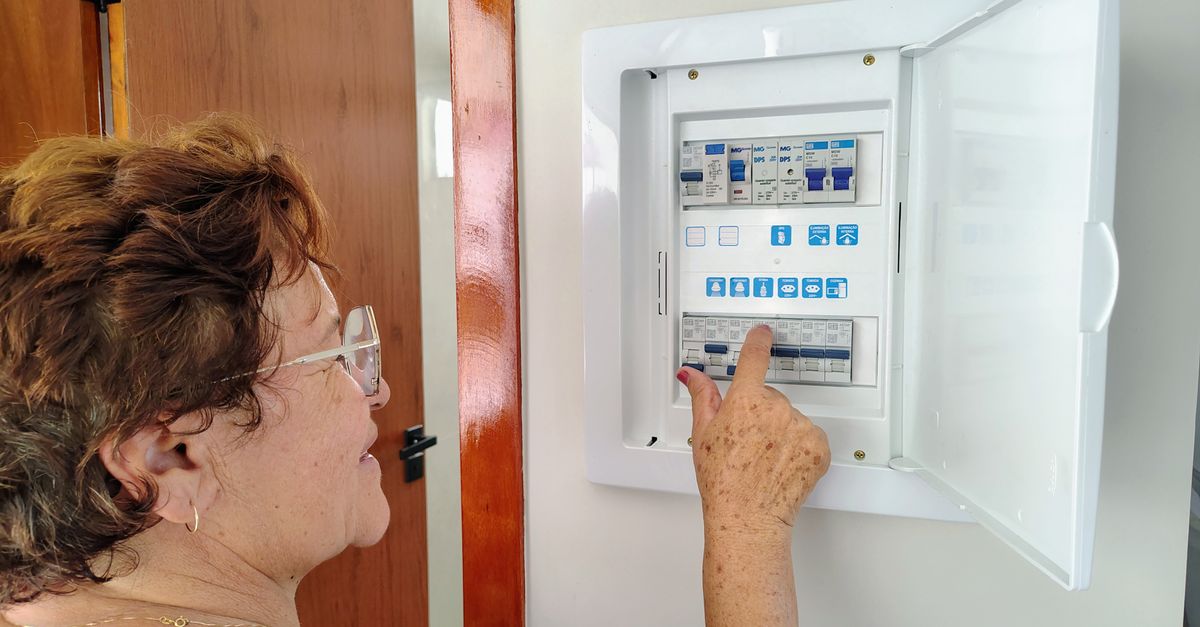
The electrical panel is the heart of your home's wiring, and in Phoenix it works harder than in most places. Big central AC systems pull serious current all summer, more homeowners are adding EV chargers and pool equipment, and a lot of Valley homes still run the 100-amp panels they were built with decades ago. An upgrade is not always needed, but there are clear signs it is, and a few panel brands that should be replaced regardless of symptoms.
Signs your panel is overloaded or outdated
The everyday tells are breakers that trip when you run the AC plus a couple of big appliances, lights that dim when the compressor kicks on, a panel that feels warm or smells faintly of burning, or a fuse box rather than breakers (a sign of a very old system). Capacity matters too: many older Phoenix homes have 100-amp service, while modern homes with central AC, electric ranges, and EV charging often need 200 amps. If you are constantly juggling what runs at once, the panel is telling you it is maxed out.
Some panels should be replaced no matter what
A few panel brands are known fire hazards and are worth replacing even if everything seems fine. Federal Pacific (FPE) Stab-Lok and Zinsco panels from the mid-1900s have breakers that can fail to trip during an overload, and many insurers now flag or refuse to cover them. If your panel carries one of those names, have a licensed electrician evaluate it. This is squarely licensed-pro territory, both for safety and because Arizona requires panel work to be done by an ROC-licensed contractor under permit.
Why AC, EVs, and additions push demand
Phoenix loads are simply heavier. A 4 or 5 ton AC system is one of the largest continuous draws in the house, and running it five months a year leaves less headroom for everything else. Add a Level 2 EV charger (a dedicated 240-volt, 40 to 50 amp circuit), a pool pump, a casita, or an electric range, and a 100-amp panel runs out of room fast. Upgrading to 200 amps is often less about a problem today than about having capacity for the things Valley homeowners keep adding.
What a panel upgrade involves
A typical upgrade means the electrician pulls a permit, coordinates with the utility to cut power at the meter, swaps the panel (and often the meter and main service wire), re-lands every circuit, and has the work inspected. Expect the power to be off for several hours to most of a day. Because it touches the utility connection and requires inspection, it is not a DIY job. For real Phoenix price ranges, see our electrical cost guide, and browse vetted local electricians below.
Frequently asked questions
How do I know if I need a 200-amp panel?
If you have central AC plus an electric range, are adding an EV charger, pool, or addition, or you have only 100-amp service and breakers trip when several big loads run at once, 200 amps is usually the right move. A licensed electrician can do a load calculation to confirm what your home actually needs.
Are Federal Pacific or Zinsco panels really dangerous?
They have a documented history of breakers that may not trip during an overload, which is a fire risk, and many insurers flag them. If your panel is one of these brands, have a licensed electrician evaluate it and plan to replace it even if you have not had obvious problems.
Can I add an EV charger to my existing panel?
Sometimes. If your panel has spare capacity and an open slot, a Level 2 charger may just need a new 240-volt circuit. If the panel is already near its limit (common with a 100-amp panel and central AC), you may need a panel upgrade or a load-management device first. An electrician can tell you quickly.
Do I need a permit to upgrade my panel?
Yes. In Arizona, a panel or service upgrade must be done by an ROC-licensed electrical contractor under permit, with a utility disconnect and a final inspection. That process is there for safety and protects you if anything is ever questioned.