Common concrete and masonry problems in Phoenix:repair or replace?
Updated July 2026
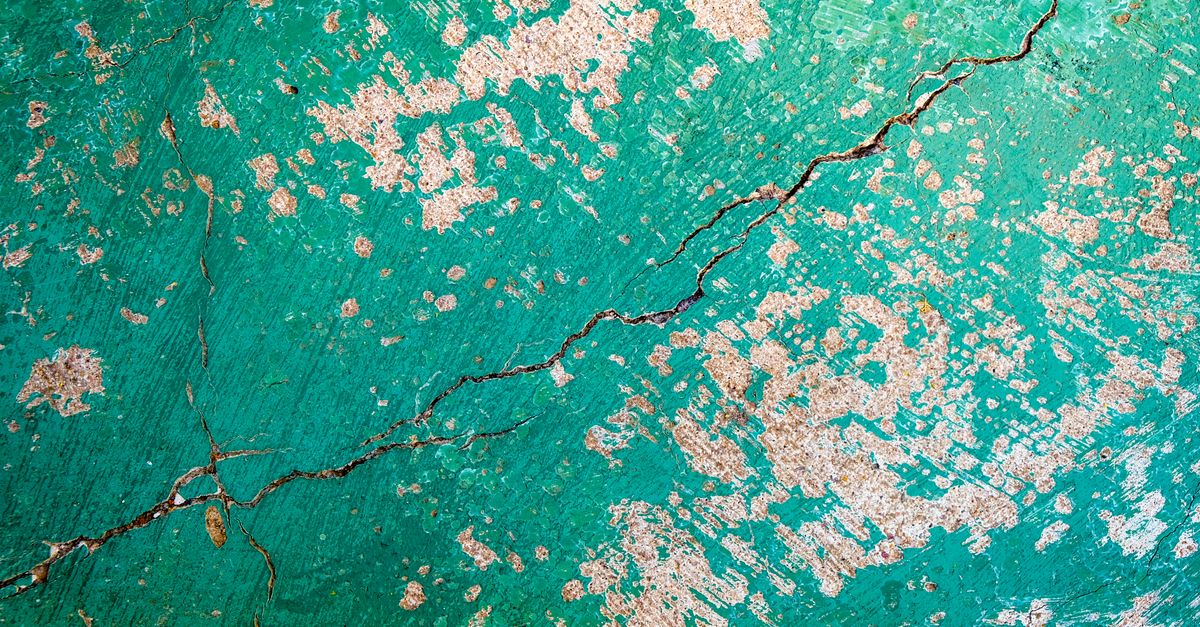
Cracked concrete and shifting block walls are common enough in Phoenix that it helps to know which cracks are cosmetic and which point to a bigger problem underneath.
The most common problems
Hairline cracking along control joints is normal and mostly cosmetic. Spalling, where the surface of concrete flakes or pops off, often comes from water intrusion combined with heat cycling, or from a slab that was not finished or cured correctly. Masonry walls crack most often at mortar joints as soil shifts seasonally, and can eventually lean if the footing was undersized or the soil movement is significant.
The repair-vs-replace rule of thumb
A single hairline crack or minor surface spalling is usually a simple, inexpensive repair. Widespread spalling across a slab, a slab with significant unevenness or heaving, or a wall with multiple cracks or visible leaning is where full replacement of that section tends to be the better long-term investment than repeated patching, since the underlying cause (soil, drainage, or a bad original pour) is still there otherwise.
Warning signs before a bigger failure
Watch for a wall that is visibly leaning even slightly, cracks that keep growing after each monsoon season, a slab that has noticeably shifted or heaved, and water pooling against a foundation instead of draining away. Any of these are worth a professional assessment before the underlying issue gets more expensive to fix.
Frequently asked questions
Is cracked concrete always a problem?
Not necessarily. Small hairline cracks along control joints are a normal part of how concrete cures and handles temperature swings. Wider cracks, cracks that keep spreading, or cracks paired with an uneven or heaved slab are worth a professional look.
When should I replace a masonry wall instead of repairing it?
If a wall shows multiple cracks, is visibly leaning, or has a footing that has clearly shifted, replacing that section is usually the better long-term choice over patching, since patch repairs on a structurally compromised wall tend not to hold.