Flooring care for Tucson's climate
Updated July 2026
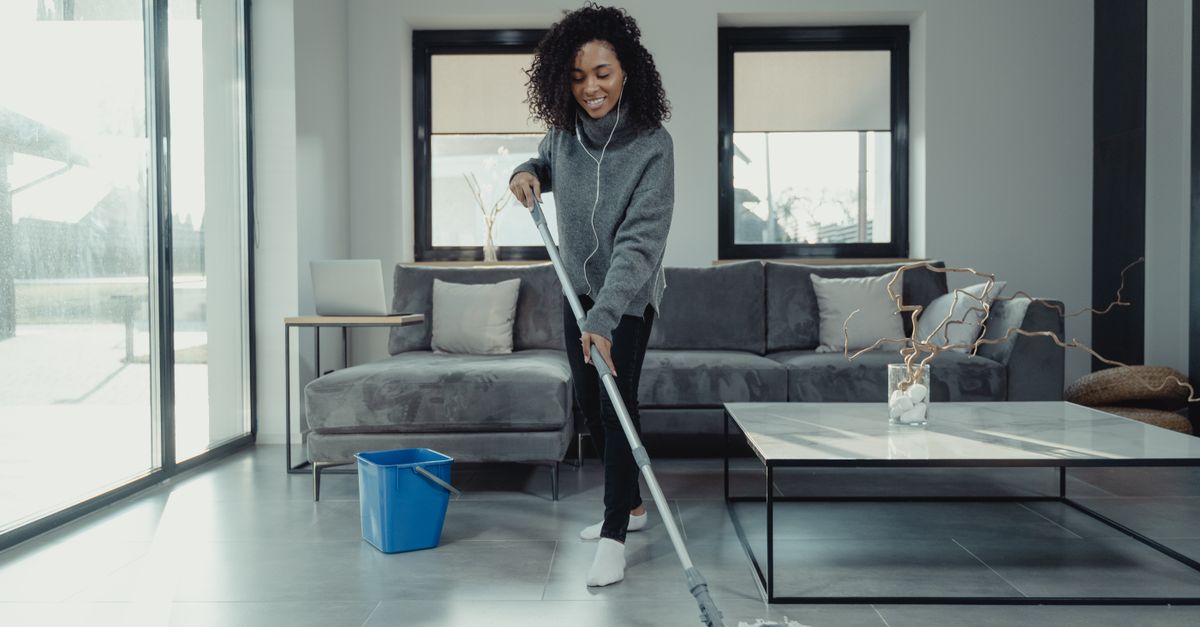
Tucson's higher elevation brings genuinely colder winter nights, a real freeze season, and a monsoon that brings significant rainfall and humidity swings. That combination affects flooring differently depending on the material.
Tucson's winter freeze is real
Tucson typically sees around a dozen nights each winter where the temperature drops below freezing, with the first freeze usually arriving in early December and the last in early February, according to National Weather Service freeze-date data for southeast Arizona. That matters for flooring near exterior doors, sunrooms, or slab-on-grade additions with less insulation, where repeated freeze-thaw cycles overnight can stress grout lines and hairline-crack tile faster than in a climate that never freezes. Check grout near exterior-facing rooms each fall before the first freeze, not just before summer.
Monsoon humidity and sun exposure
Tucson's summer monsoon typically delivers significant rainfall and a big humidity swing, which can make hardwood and laminate near patio doors expand and contract more noticeably over the season, watch for slight buckling or gapping right after a wet monsoon stretch. Direct desert sun through windows still fades and dries out hardwood and some vinyl over years, so window coverings on sun-exposed rooms help protect flooring near west-facing glass.
Hard water and grout care
Tucson's water is hard enough to leave mineral deposits on tile and grout over time. Regular mopping with a cleaner made for the flooring type, and resealing grout every year or two, keeps buildup from making grout lines look dingy or porous.
What you can do vs. call a pro
Homeowners can reseal grout lines periodically, use window coverings to reduce sun fading, and clean hard-water buildup with tile-safe cleaners. Cracked tile replacement, subfloor repair after a freeze-related crack, and buffing or refinishing hardwood after a monsoon-humidity swell are better left to a licensed flooring contractor for a result that matches the surrounding floor.
Frequently asked questions
Does Tucson really get cold enough to affect flooring?
Yes. Tucson's higher elevation means the city typically sees about a dozen nights a winter below freezing, per National Weather Service data. Rooms near exterior doors or on less-insulated slab additions can see grout stress from freeze-thaw cycles.
Why does my hardwood or laminate shift after monsoon season?
Tucson's monsoon brings a bigger humidity swing than the drier months, and wood-based flooring absorbs and releases moisture with that swing. Slight seasonal gapping or minor buckling near patio doors is common and often settles back down once humidity drops; a persistent buckle is worth a professional look.