Flooring for Flagstaff:cold floors, radiant heat, and winter wear
Updated July 2026
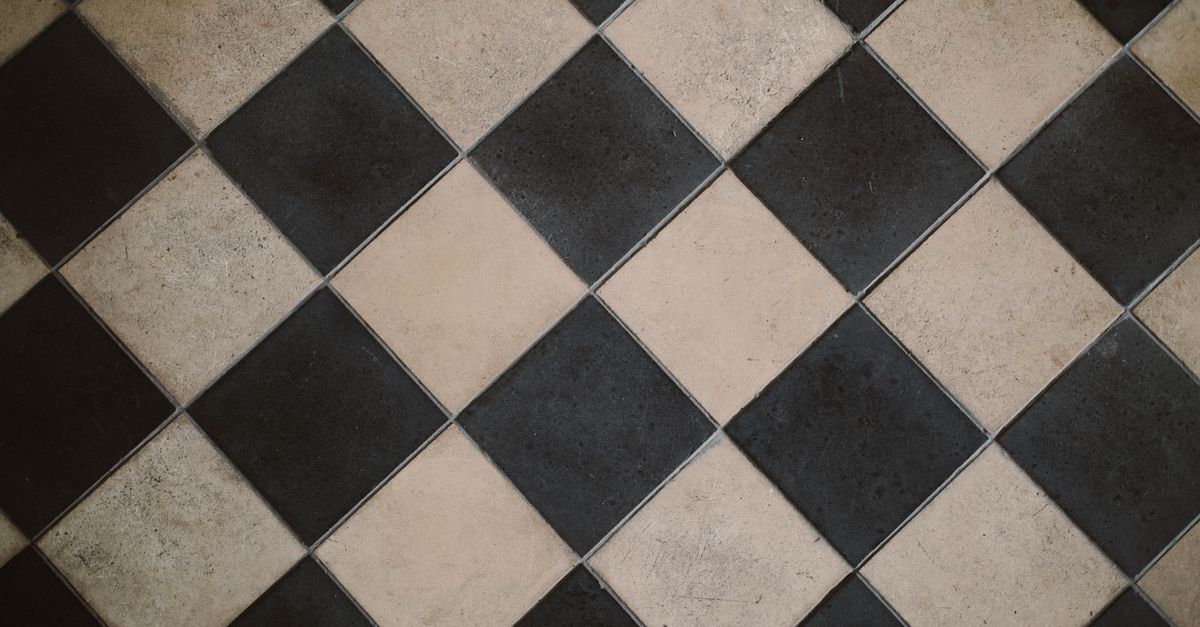
Flooring choices in Flagstaff answer to cold in a way desert flooring never does. Cold subfloors make tile feel icy and drive interest in radiant heat, entries take a winter of snow, mud, and ice-melt salt, and materials have to tolerate real temperature swings. What works underfoot at 7,000 feet is a different conversation than in the Valley.
Cold floors and radiant heat
Tile and stone are durable and popular in Flagstaff, but they get cold, and on a mountain morning a cold tile floor is a real comfort issue. That is why in-floor radiant heat is far more common here than in the desert, especially in bathrooms, kitchens, and entries. If you are putting in tile or stone, it is worth deciding about radiant heat before installation, because retrofitting it later means pulling the floor back up.
Entry durability against snow and ice-melt
Entryways and mudrooms take the brunt of a Flagstaff winter: snow, mud, grit, and ice-melt salt tracked in for months. Durable, easy-to-clean flooring at entries, tile, quality luxury vinyl, or sealed stone, holds up far better than materials that stain or swell. Ice-melt residue in particular can dull or damage some finishes, so entry flooring should be chosen and sealed with that in mind.
Materials and temperature swings
Mountain homes see bigger indoor temperature swings, especially in less-heated areas, cabins, and second homes, and some flooring handles that better than others. Solid wood can move with humidity and temperature changes, tile and quality engineered products are more stable, and unheated seasonal homes call for materials that tolerate cold without damage. A flooring pro who works Flagstaff steers you toward what survives the climate.
Frequently asked questions
Why is radiant floor heat so popular in Flagstaff?
Because tile and stone get cold, and on a mountain morning a cold floor is a genuine comfort issue. Radiant heat is far more common here than in the desert. Decide about it before installing tile, since retrofitting means pulling the floor up.
What flooring holds up best at entries?
Durable, easy-to-clean, moisture-tolerant materials, tile, quality luxury vinyl, or sealed stone, that stand up to snow, mud, grit, and ice-melt tracked in all winter. Ice-melt can dull some finishes, so choose and seal entry flooring with that in mind.
Does flooring need to handle temperature swings here?
Yes, especially in cabins and second homes that are not always heated. Solid wood can move with temperature and humidity; tile and quality engineered products are more stable and better suited to a mountain climate.