Common roofing problems in Tucson:repair or replace?
Updated July 2026
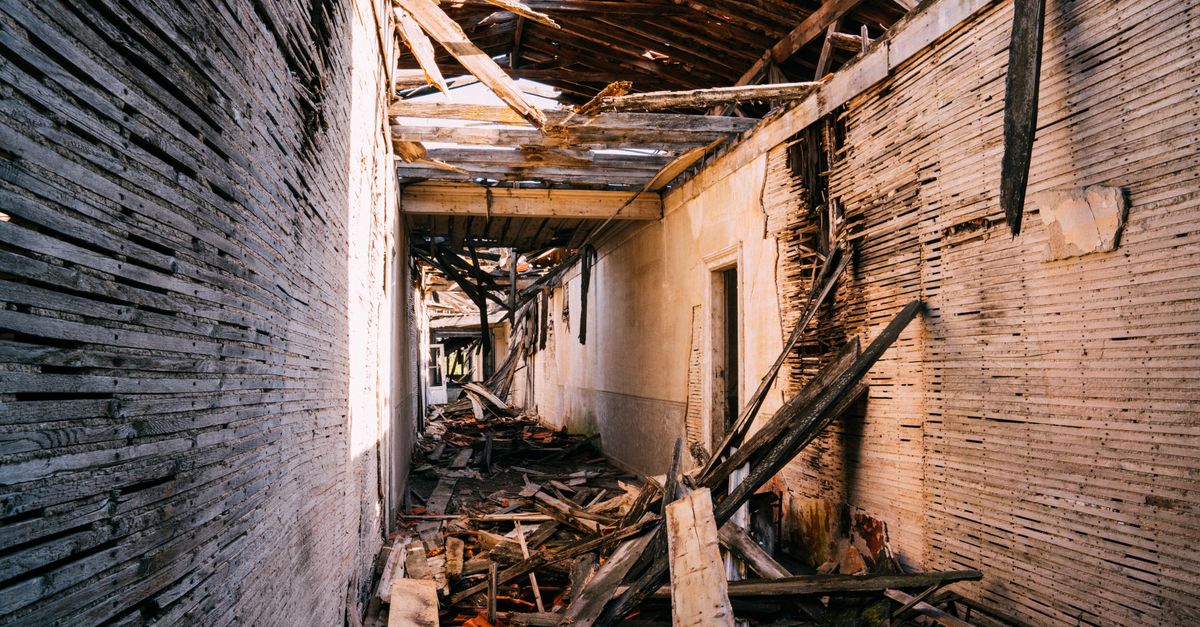
Tucson roofs fail for a mix of reasons: relentless sun over the decades, the monsoon storms that hit every summer, and, less obviously, the occasional real freeze that Tucson's higher elevation allows. Knowing which of these is behind a given problem helps you and your roofer decide whether it is a repair or a sign the roof is nearing the end.
UV and heat wear on tile underlayment and shingles
On a tile roof, the tiles themselves hold up for decades, but the underlayment beneath them, the layer that actually keeps water out, dries out under years of desert sun and typically needs replacing well before the tiles do. On shingle roofs, UV and heat dry out the asphalt over time, showing up as curling, cupping, or granule loss. Tucson's elevation keeps summer highs a touch less intense, which may stretch this timeline a little, but it does not stop it.
Monsoon wind, hail, and dust damage
Monsoon storms, roughly mid-July through mid-September, are the other big driver. High winds crack or lift tiles, tear at shingles, and damage flashing around vents and walls. Blowing dust clogs drains and can work into small gaps that are otherwise fine in dry weather. Because Tucson gets long dry stretches between storms, a small breach can go unnoticed until the next downpour drives water through it and shows up as an interior stain.
Freeze-related cracking
A short cold snap below freezing, which happens most Tucson winters because of the city's elevation, can crack a tile that already has a hidden flaw, or stress flashing and sealant that has gone brittle with age. It is a smaller and less frequent risk than monsoon or sun damage, but it is worth a look after a hard freeze, especially on shaded, north-facing sections that stay cold longest.
Repair vs. replace
A localized issue, a handful of cracked tiles, a flashing leak, a foam blister, is usually a repair in the few-hundred-to-a-couple-thousand-dollar range. Replacement, or a tile re-underlayment, makes more sense once the underlayment is at the end of its life, shingles are widely worn, or leaks keep showing up in new spots after repairs. A licensed roofer should be able to show you the actual condition, not just tell you it needs replacing.
Frequently asked questions
Why is my tile roof leaking if the tiles look fine?
Because the waterproofing layer is the underlayment beneath the tiles, not the tiles themselves. Years of desert sun dry that layer out long before the tiles wear out, so a roof can leak even when every tile looks intact. This usually means a re-underlayment, not new tile.
Can a freeze really damage a Tucson roof?
It can, though it is a smaller risk than heat or monsoon damage. Tucson's elevation means short freezes happen most winters, and they can crack an already-weak tile or stress aging flashing. It is worth a quick check after a hard cold snap, particularly on shaded sections.
How do I know if I should repair or replace my roof?
A localized problem, a few cracked tiles or a flashing leak, is typically a repair. Replacement or re-underlayment makes sense when the underlayment has reached the end of its life, when damage keeps recurring in different spots, or when a licensed roofer's inspection shows widespread wear rather than an isolated issue.