How to document roof damage for an insurance claim
Updated 2026-07-08
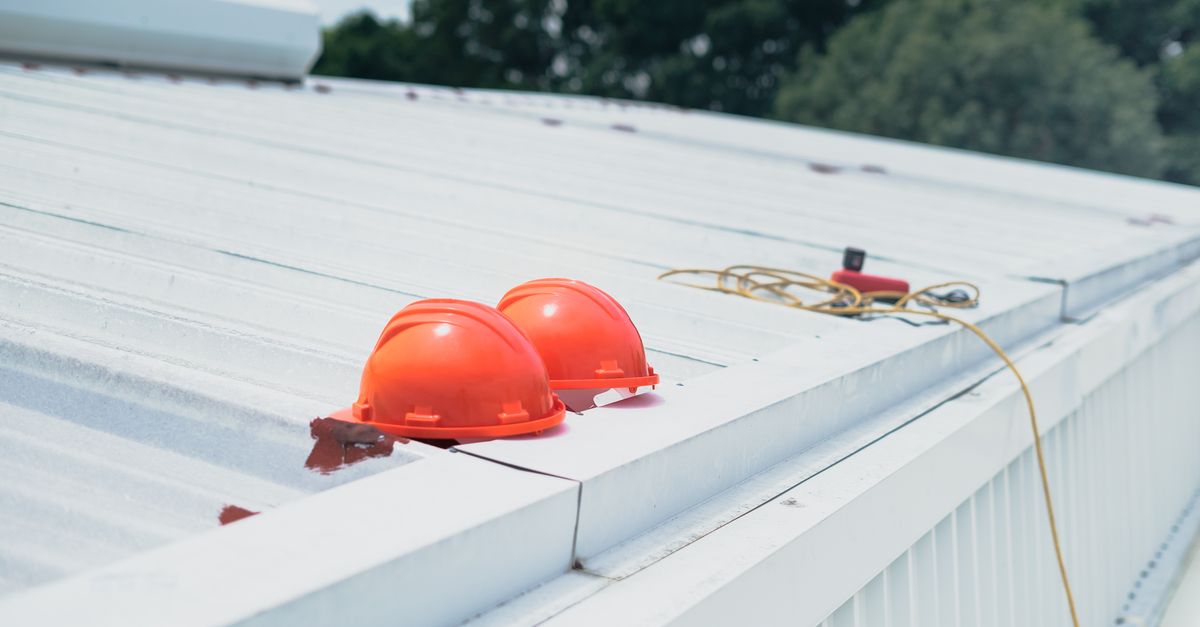
How well you document roof damage often shapes how smoothly the insurance claim goes. Good documentation does not require special equipment, just a plan and some patience before repairs begin.
Start with safety, not the camera
Never climb onto a damaged or wet roof to inspect it yourself. Photograph what you can see from the ground, from windows, or from a safe vantage point, and let a licensed roofer or the insurance adjuster handle a close-up inspection of the roof surface itself.
Photograph the damage from multiple angles
Take wide shots that show the damaged area in context, plus closer shots of specific damage like missing shingles, cracked tiles, dents, or torn flashing. Include a few reference photos of undamaged sections too, so the contrast is clear. If you have any recent photos of the roof from before the damage, such as from a home inspection or an earlier repair, keep those on hand for comparison.
Document the interior too
Water stains on ceilings, damp spots, peeling paint near the roofline, or any active dripping should be photographed and dated as well. Interior damage often supports a roof claim just as much as exterior photos, since it shows the real-world consequence of the roof failure.
Note the date and the likely cause
Write down when you first noticed the damage and, if you know it, the specific storm or event that likely caused it. If you have any record of local weather, a news report, or a neighbor's account of the same storm, keep that reference. This context helps the adjuster confirm the timing and cause of the claim.
Get a professional assessment before repairs begin
Have a licensed roofer inspect the damage and provide a written scope of what needs repair, ideally with their own photos included. Avoid starting permanent repairs before the insurance company has had a chance to inspect the damage, unless a temporary fix like a tarp is needed to prevent further harm.
Keep a paper trail once the claim is open
Save every piece of correspondence with the insurance company, including the claim number, the adjuster's name and contact information, and dates of every call. If the roofer's quote and the adjuster's estimate differ, having your own documentation makes it far easier to explain the gap.
Frequently asked questions
Should I get on my roof to take photos?
No. Photograph what you can see safely from the ground or from a window, and let a licensed roofer or the insurance adjuster get a close-up look at the roof surface itself. A fall risk is never worth better photos.
How soon should I document damage after a storm?
As soon as it is safe to do so, ideally within a day or two. Damage can worsen with time or additional weather, so earlier documentation gives a clearer picture of what the original event actually caused.
Do I need a professional inspection before filing a claim?
It helps a great deal. A licensed roofer's written scope and photos add credibility to your claim and can catch damage you might miss from the ground, which supports a more accurate settlement.
What if the insurance adjuster's estimate is lower than my roofer's quote?
This happens fairly often. Your own documentation, along with your roofer's detailed written scope, gives you something concrete to reference when discussing the difference with the insurance company or requesting a second inspection.
Can I make temporary repairs before the adjuster visits?
Yes, and you generally should if there is active water intrusion. A tarp or other temporary fix to prevent further damage is usually fine and often expected, just photograph the damage first and keep receipts for any temporary materials.