Roof maintenance for Flagstaff winters
Updated July 2026
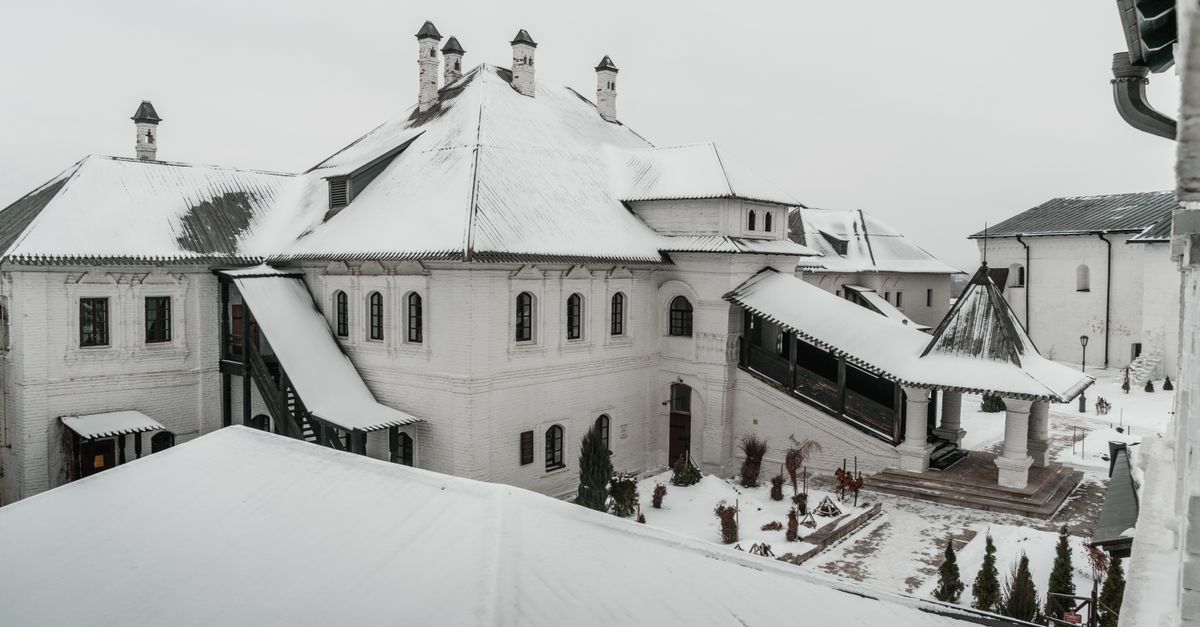
A Flagstaff roof lives in a different world than a Phoenix or even a Tucson roof. At about 7,000 feet the enemy is not summer sun, it is winter: heavy snow, ice, and the freeze-thaw cycle that works at every small crack. The City of Flagstaff designs for a 60 pound per square foot ground snow load, which tells you how seriously the weight of snow is taken here. A maintenance routine built for the desert misses the things that actually damage roofs in the mountains.
Before winter: the pre-snow check
The most important roof work in Flagstaff happens before the first snow. Check for cracked, loose, or missing shingles and tiles, and for flashing around vents, chimneys, and walls that has lifted or separated. Clear the roof and gutters of pine needles and debris so melting snow can drain instead of pooling and refreezing. Make sure attic insulation and ventilation are in good shape, because a warm attic is what causes ice dams later. This is the single highest-value maintenance visit of the year.
Ice dams and freeze-thaw
Ice dams form when heat escaping through the roof melts the underside of the snowpack, the water runs down to the cold eave, and it refreezes into a ridge of ice that backs meltwater up under the shingles. The fix is not on the roof surface, it is proper attic insulation and ventilation that keeps the roof deck cold. Separately, freeze-thaw cycling works water into any hairline crack in a tile or flashing joint, freezes, expands, and widens it, so a small defect in fall becomes a leak by spring. Both are Flagstaff-specific and neither shows up in a desert maintenance guide.
What you can do vs. call a pro
From the ground you can watch for icicles and ice ridges along the eaves (a sign of an ice dam and poor attic ventilation), look for interior stains after a thaw, and keep gutters clear in fall. Do not get on a snowy or icy roof, and do not chip at an ice dam with tools, both are how people get hurt and how roofs get damaged. Snow raking the lower few feet of roof from the ground can relieve load and reduce ice dams. Anything on the roof itself, and any actual repair, is licensed-pro work, especially in winter conditions.
Frequently asked questions
How much snow can a Flagstaff roof hold?
New construction in the City of Flagstaff is designed for a 60 pound per square foot ground snow load, but an older or poorly maintained roof can be weaker. If you hear creaking, see new interior cracks, or doors start sticking after a big storm, treat it as urgent and call a pro.
What causes ice dams and how do I stop them?
Heat escaping into the attic melts snow that then refreezes at the cold eave. The durable fix is attic insulation and ventilation that keeps the roof deck cold, not roof-surface products. Clearing snow from the lower roof edge helps in the meantime.
Should I get my roof inspected before winter?
Yes. A pre-winter inspection is the most valuable roof visit of the year in Flagstaff. Catching a lifted flashing or a cracked tile in October is far cheaper than finding it as a leak during a February thaw.