Plumbing maintenance for Tucson's climate
Updated July 2026
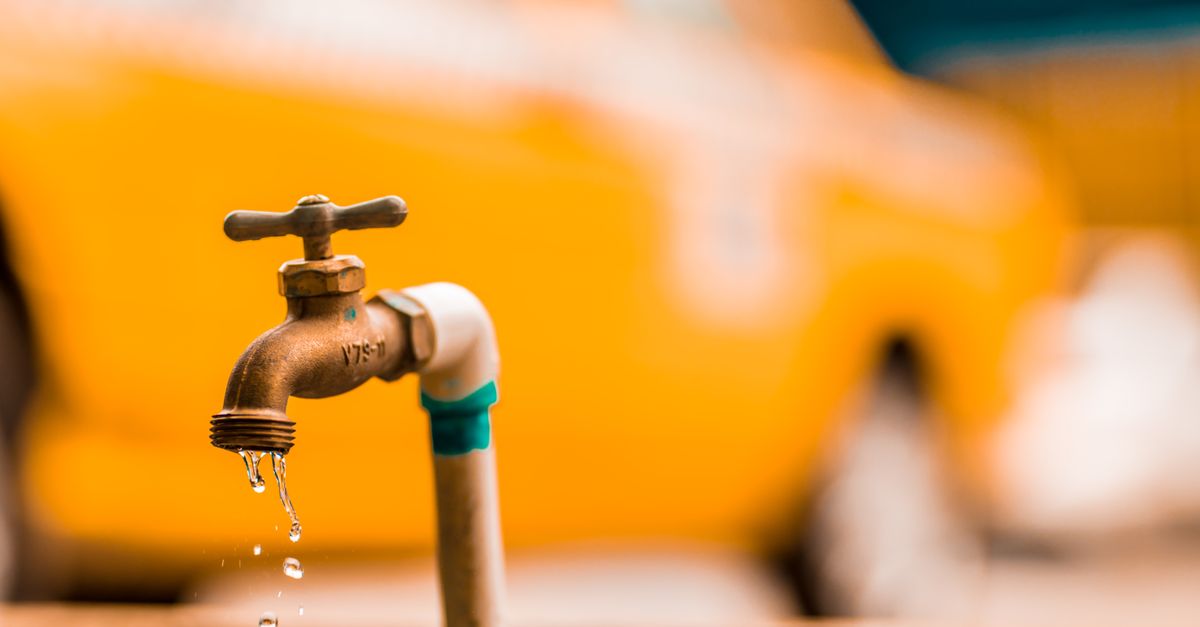
Tucson's higher elevation in the Sonoran Desert gives it a real, if short, winter, alongside brutal summer heat and a genuine monsoon season. That combination puts a few maintenance tasks on the calendar that a milder climate would not need. Here is what actually matters here.
Protect exposed pipes before winter
Tucson's higher elevation brings real winter freezes. Tucson averages about a dozen nights a year at or below freezing, with the first freeze typically landing around late November and the last in early February, hard enough to burst an exposed pipe or hose bib if it is left uninsulated. Before the first cold snap, disconnect and drain garden hoses, insulate exposed hose bibs and any pipe that runs through an uninsulated garage or crawl space, and know how to drip a faucet or shut off water to an exposed line on a hard freeze night.
Get ready for monsoon season
Tucson's monsoon runs officially from June 15 to September 30, with heavy rain, flash flooding, and strong microburst outflow winds, concentrated in July and August. Before the season starts, check that your backflow preventer and any exterior drain or cleanout caps are secure, clear gutters and downspouts so runoff does not pool against the foundation, and make sure sewer cleanouts are capped and visible so a plumber can find them fast if a storm causes a backup. Flooding around a home's perimeter is also when Tucson's caliche soil (see our common problems guide) is most likely to shift and stress underground lines.
Hard water care, Tucson's version
Tucson's water is hard, commonly cited around 13 grains per gallon. That still means scale builds up in a water heater and fixtures over time. Flushing a tank water heater once a year, twice if you do not have a softener, and periodically soaking faucet aerators and showerheads in vinegar keeps scale from shortening the life of your fixtures.
What you can do vs. call a pro
Draining hoses, insulating exposed pipe, clearing gutters, flushing the water heater, and cleaning aerators are all reasonable DIY tasks. Leave gas line work, a water heater leaking from the tank itself, any sewer line or backflow device work, and anything behind a wall to a licensed plumber. Plumbing work in Arizona above a small threshold, or anything needing a permit, is meant to be done by an ROC-licensed contractor.
Frequently asked questions
Does it actually freeze in Tucson?
Yes, most winters. Tucson averages around a dozen nights at or below freezing, typically between late November and early February. It is not a hard winter like a mountain climate, but it is enough to burst an uninsulated hose bib or exposed pipe if you do not prepare.
When is Tucson's monsoon season?
Officially June 15 through September 30, though most of the heavy rain and wind falls in July and August. It is worth checking your home's exterior plumbing, backflow preventer, cleanouts, drainage, before the season starts.
How hard is Tucson's water?
It is hard, commonly measured around 13 grains per gallon. It still causes scale buildup in water heaters and fixtures over time, so annual water heater flushing is still worth doing.