What to do in a plumbing emergency before the plumber arrives
Updated 2026-07-08
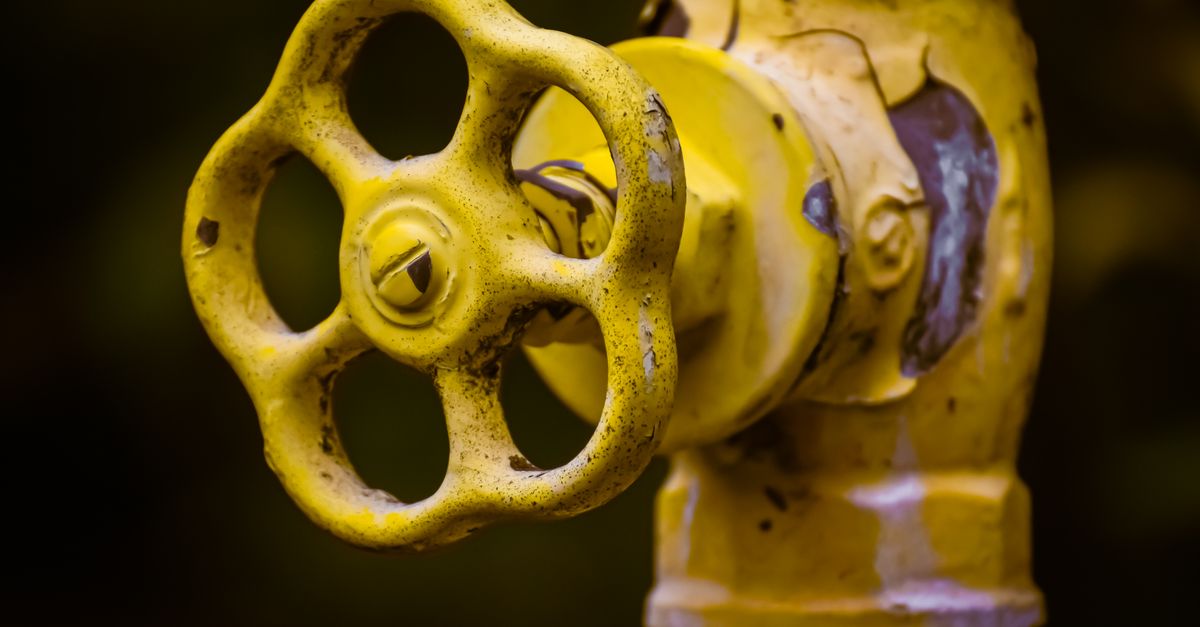
A burst pipe or an overflowing toilet does not wait for a convenient time. What you do in the first few minutes matters more than what the plumber does once they arrive. Here is a simple checklist to work through.
Shut off the water
For a single fixture, like a toilet or a sink, look for a small shutoff valve on the supply line underneath or behind it and turn it clockwise. If you cannot find or reach a local shutoff, or the leak is coming from a wall or the main line, shut off the main water valve for the house. It is usually near where the water line enters the home, in a basement, utility closet, or an outdoor box. Find it before an emergency happens, not during one.
Cut power to any affected electrical area
If water is anywhere near outlets, a water heater, or other electrical equipment, and you can safely reach the breaker panel, turn off power to that area. Never step into standing water to reach an electrical switch or appliance. If reaching the panel is not safe, wait for a professional rather than risk a shock.
Contain and limit the damage
Use towels, buckets, or a wet vacuum to control water while you wait. Move furniture, rugs, and electronics out of the affected area if it is safe to do so. If a ceiling is bulging from water above, do not stand directly under it, a small controlled hole to relieve the pressure is sometimes safer than waiting for it to give way on its own.
Document what you can
Take photos or a short video of the damage before you start cleanup, including the source if you can see it. This matters if you end up filing a homeowner's insurance claim. A few minutes of documentation now saves a lot of back and forth with an adjuster later.
What to tell the plumber when you call
Describe what you are seeing, where the water is coming from if you know, whether you have already shut off water to the area, and whether the leak is active or has slowed. This helps the plumber prioritize your call correctly and arrive prepared with the right parts.
Frequently asked questions
Where is my home's main water shutoff valve?
It is typically near where the water line enters the house, often in a basement, crawl space, garage, or utility closet, or in an outdoor meter box near the street. Locate it now, before an emergency, so you are not searching for it during one.
Should I turn off my water heater during a plumbing emergency?
If the water supply to the house is shut off, turn off the water heater too, especially a gas unit, since running it without incoming water can damage it. Turning off its dedicated shutoff valve, separate from the main house valve, is usually enough.
Is a slow leak still an emergency?
Not always, but do not ignore it. A slow leak can still cause real damage over time and is often a sign of a bigger problem developing. Shutting off the local supply and calling a plumber promptly is safer than waiting to see if it gets worse.
What if I cannot find the shutoff valve at all?
Call an emergency plumber and explain the situation. Many can talk you through likely shutoff locations over the phone, and in the meantime, containing the water with towels or buckets limits damage until help arrives.