Plumbing maintenance every Phoenix home needs
Updated June 2026
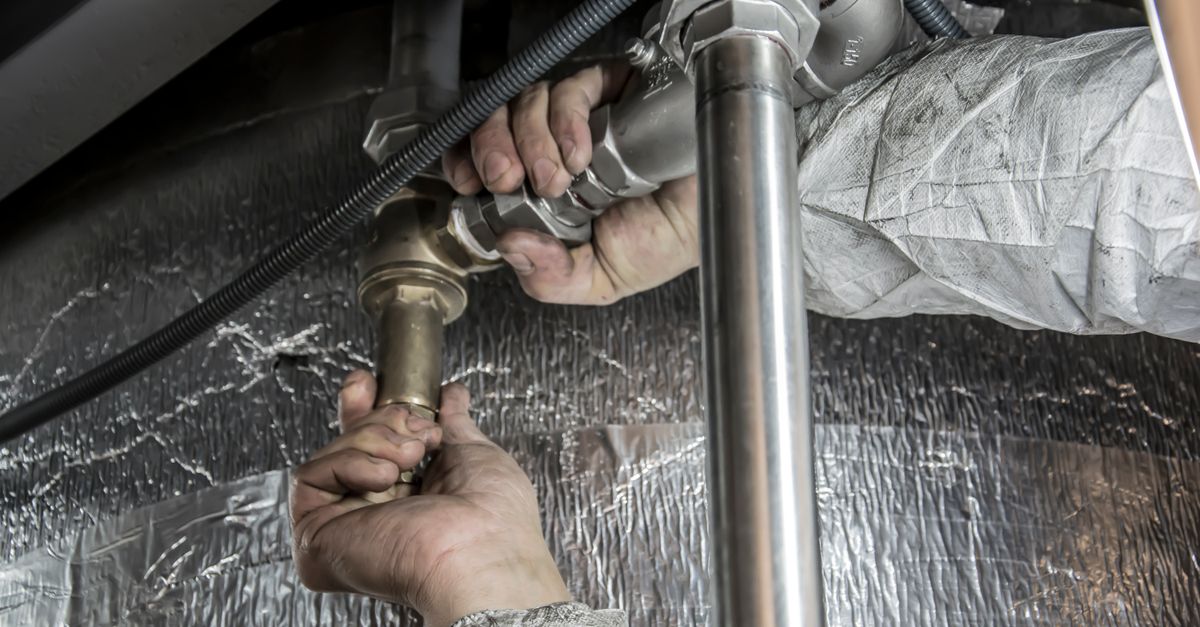
Phoenix is hard on plumbing in a way that wetter, cooler cities are not. The Valley's water is some of the hardest in the country, summer heat bakes outdoor pipes and hose bibs, and a long dry stretch followed by monsoon storms swings the soil enough to stress connections. None of that is cause for alarm, but it does mean a little routine care goes a long way here. The tasks below are the ones that quietly prevent the expensive emergency calls.
Why Phoenix hard water matters
Most of the Valley's water is very hard, commonly in the range of 12 to 20 grains per gallon, because it picks up dissolved calcium and magnesium from the Colorado River and local groundwater. As that water is heated or evaporates, the minerals drop out as scale. Over time scale coats the inside of your water heater, narrows pipes, crusts faucet aerators and showerheads, and gums up the valves inside toilets and appliances. It is the single biggest reason Phoenix water heaters and fixtures wear out faster than the national average. A whole-home water softener (installed cost commonly $1,000 to $3,000) is the most effective fix, but even without one, regular flushing and cleaning keeps scale from doing lasting damage.
Flush your water heater every year
Sediment and scale settle at the bottom of a tank water heater, where they insulate the burner from the water, waste energy, and can make the tank rumble or run out of hot water sooner. In hard-water Phoenix, draining and flushing the tank once a year (twice if you have no softener) is the highest-value maintenance task there is. It is a doable DIY job, shut off power or gas, connect a hose to the drain valve, and run it until the water comes out clear, but if your tank has never been flushed or the valve is corroded, have a plumber do the first one so you do not crack an old valve.
A seasonal checklist
Twice a year, walk the house and check the basics. Look under sinks and behind the toilet for slow drips or water stains. Test each shutoff valve so it is not seized when you need it. Check the washing machine and water heater supply lines for bulges or rust, and swap rubber hoses for braided steel if they are old. Before summer, inspect outdoor hose bibs and the irrigation backflow preventer for cracks from sun and heat. Clean faucet aerators and showerheads by soaking them in vinegar to dissolve scale. None of these take long, and each one catches a problem while it is still cheap to fix.
Watch for the early warning signs
Plumbing usually warns you before it fails. Pay attention to water pressure that drops over months (often scale narrowing the pipes), hot water that runs out faster than it used to (sediment in the tank), a water bill that climbs with no change in use (a hidden leak), or any toilet that rocks or runs. Catching these early is the difference between a routine service call and water damage. When in doubt, a plumber's diagnostic visit (commonly $75 to $150 in the Valley) is cheap insurance.
When to call a pro vs. DIY
Cleaning aerators, swapping a flapper, tightening a supply line, and even an annual tank flush are reasonable DIY tasks. Leave anything involving the gas line, a water heater that is leaking from the tank itself, repeated drain backups (a sign of a deeper line problem), or any work behind a wall to a licensed plumber. In Arizona, plumbing work above a small dollar threshold is meant to be done by an ROC-licensed contractor, which also protects you if something goes wrong. For what common repairs run in the Valley, see our Phoenix plumbing cost guide, and browse vetted local plumbers below.
Frequently asked questions
How often should I flush my water heater in Phoenix?
Once a year is the general rule, but in hard-water Phoenix, twice a year is better if you do not have a water softener. Flushing clears the scale and sediment that build up fast here, which protects the tank and keeps your hot water supply and efficiency up.
Is a water softener worth it in Phoenix?
For most Valley homes, yes. The water is hard enough that scale noticeably shortens the life of water heaters and fixtures. A softener (about $1,000 to $3,000 installed) extends the life of those appliances, improves soap and detergent performance, and cuts down on cleaning. It is one of the better long-term plumbing investments in this climate.
What plumbing maintenance can I do myself?
Cleaning faucet aerators and showerheads of scale, swapping a toilet flapper, testing shutoff valves, replacing old rubber washing-machine hoses with braided steel, and flushing the water heater are all reasonable DIY tasks. Leave gas-line work, tank leaks, recurring drain backups, and anything behind a wall to a licensed plumber.
How do I know if I have a hidden leak?
Watch for a water bill that rises with no change in habits, the sound of running water when everything is off, warm or damp spots on the floor (a possible slab leak), or a water meter that keeps moving when no water is in use. Any of these is worth a plumber's leak-detection visit before it causes damage.