Winter plumbing and frozen pipes in Flagstaff
Updated July 2026
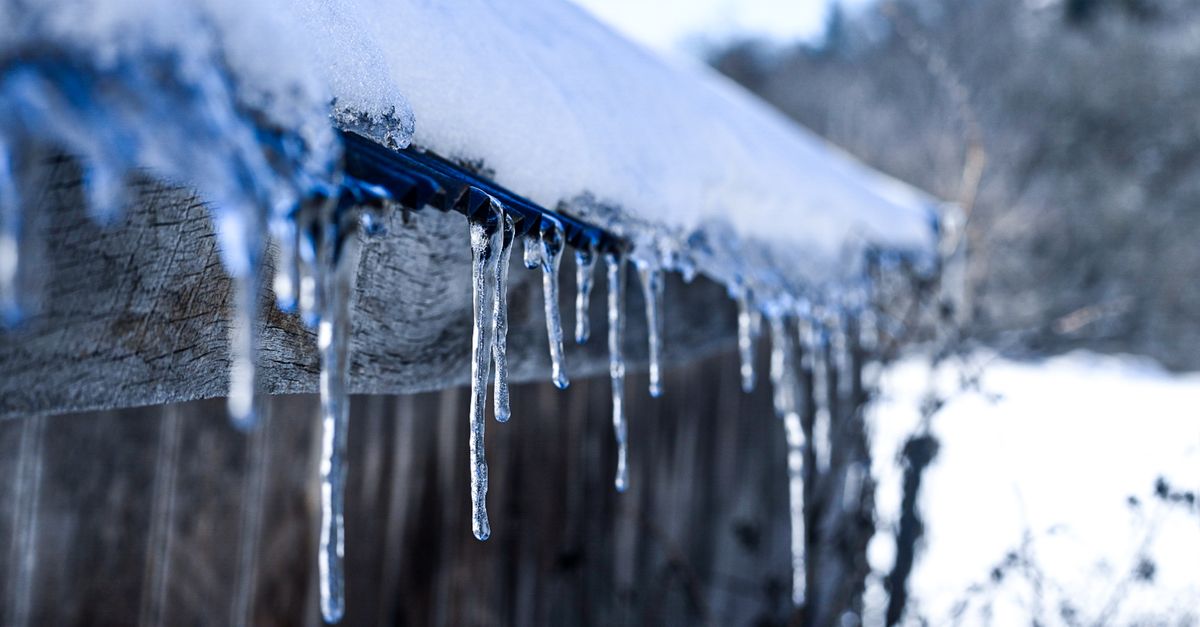
The defining plumbing concern in Flagstaff is freezing. At roughly 7,000 feet, sub-freezing nights run from about October into May, and a frozen pipe that bursts can flood a home in minutes. The city assumes a 30-inch frost line, and the Flagstaff Fire Department advises keeping indoor heat at 50 degrees or above through winter. Freeze protection here is not an occasional cold-snap worry like the low desert, it is a season-long routine.
Which pipes freeze, and why
The pipes at risk are the ones exposed to cold: those in exterior walls, unheated garages, crawl spaces, attics, and along the north side of the house. Outdoor spigots and irrigation lines are the most common first casualties. Water expands as it freezes, so a frozen pipe can split even if you do not notice until it thaws and starts leaking. Second homes and rentals are especially vulnerable because no one is there to catch a problem early.
Freeze protection that works
Insulate exposed pipes with foam sleeves, and use heat tape on the highest-risk runs. Disconnect and drain garden hoses in fall and shut off and drain outdoor spigots and irrigation. During a hard cold snap let a faucet drip slightly, since moving water is much harder to freeze, and open cabinet doors under sinks on exterior walls so household heat reaches the pipes. Keep the heat on, at least 50 degrees, even when you are away. These are cheap steps that prevent an expensive burst.
Winterizing a cabin or rental
If a Flagstaff property will sit empty and unheated in winter, it should be properly winterized: water shut off at the main, the system drained, and often antifreeze added to traps. This is worth having a licensed plumber do, because a missed line is a burst pipe and a flooded, unattended house. Many Flagstaff plumbers offer seasonal winterize-and-reopen service for exactly this reason.
Frequently asked questions
When do pipes freeze in Flagstaff?
Sub-freezing nights run from roughly October into May at Flagstaff elevation. Freeze protection is a season-long routine here, not an occasional cold-snap worry like the low desert.
What is the cheapest way to prevent frozen pipes?
Insulate exposed pipes, drain and shut off outdoor spigots and hoses in fall, keep indoor heat at 50 degrees or above, and let a faucet drip during a hard freeze. These low-cost steps prevent most burst-pipe damage.
Do I need to winterize my second home?
If it will sit empty and unheated, yes. A proper winterize (water shut off, system drained, traps protected) prevents a burst pipe from flooding an unattended house. A licensed plumber can do it and reopen it in spring.