Signs of common household pests and when to call a professional
Updated 2026-07-08
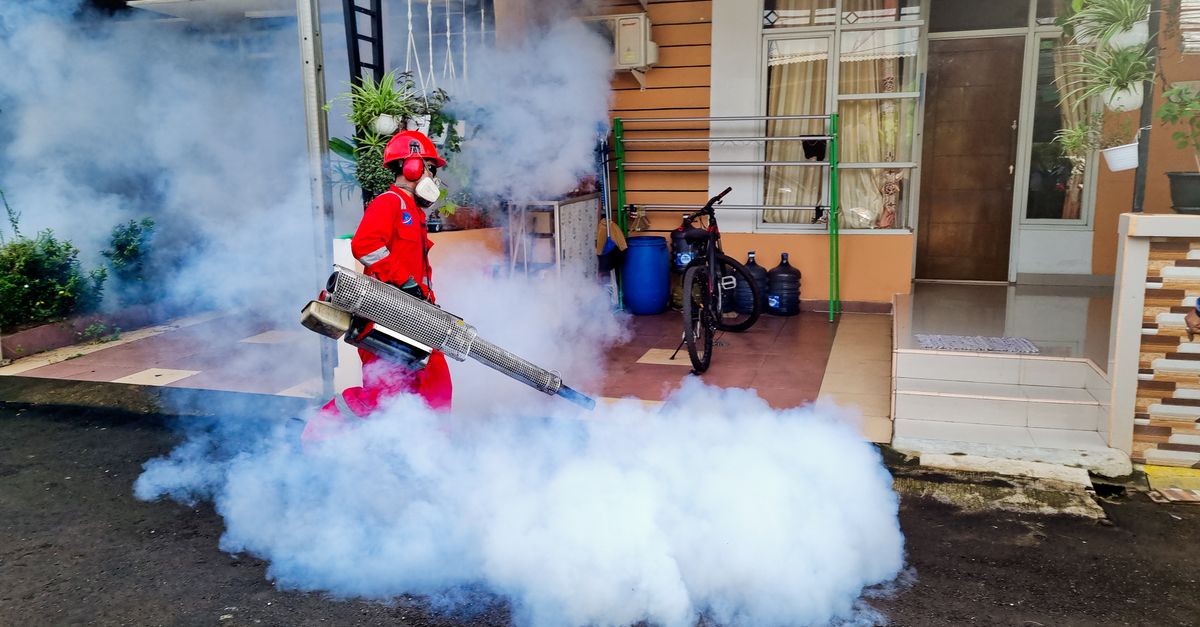
Catching a pest problem early usually means a smaller, simpler fix. Here are the common signs to watch for with typical household pests, and how to know when it is time to call in a licensed professional rather than handling it yourself.
Ants
Visible trails of ants, especially repeating along the same path day after day, are the most common sign. Small piles of dirt or debris near baseboards or outdoors can indicate a nest nearby. Most minor ant issues respond to basic prevention like sealing entry points and cleaning up food sources, but a persistent or large colony, especially certain wood-damaging species, is worth a professional evaluation.
Rodents (mice and rats)
Signs include small droppings, especially in cabinets, along baseboards, or in the attic or garage, gnaw marks on food packaging, wiring, or wood, scratching noises in walls or ceilings, and a musky odor in enclosed spaces. Rodents can multiply quickly and cause real property damage through gnawing, so a confirmed infestation, rather than a single stray sighting, usually calls for professional pest control.
Termites
Termites are one of the more serious pests to catch early, since they can cause significant structural damage over time. Watch for mud tubes along foundation walls, discarded wings near windowsills or doors, wood that sounds hollow when tapped, and small pinholes in drywall. Termite issues are not a DIY project. If you suspect termites, contact a licensed pest control professional for an inspection promptly.
Cockroaches
Signs include droppings that look like small dark specks, an oily or musty odor in heavily infested areas, and sightings, especially at night in kitchens and bathrooms near water sources. A single roach sighting does not always mean an infestation, but repeated sightings, especially during the day, often point to a larger population that benefits from professional treatment.
Stinging insects
Visible nests under eaves, in attics, or in the ground, along with an increase in wasp or bee activity around your home, are the main signs. Nest removal, especially for wasps and hornets, can be genuinely dangerous to attempt yourself due to the risk of stings and allergic reactions, so this is generally best left to a professional, particularly for larger or hard-to-reach nests.
When to call a professional versus handle it yourself
Minor, isolated sightings of common pests like ants often respond to basic prevention and store-bought products. A recurring infestation, structural pests like termites, rodent activity, or stinging insect nests are situations where a licensed pest control professional, one properly registered with your state's pesticide regulator, is the safer and more effective choice.
Frequently asked questions
How do I know if I have a real infestation or just a few stray bugs?
A one-time sighting is often not cause for alarm, but repeated sightings in the same area, visible nests, droppings, or damage point to an established infestation that benefits from a closer look.
Are termites something I can treat myself?
No. Termite treatment requires professional identification of the species and extent of the problem, along with treatment methods that are not typically available or effective as DIY products. Contact a licensed pest control professional if you suspect termites.
Is it safe to remove a wasp nest myself?
It can be risky, especially for larger nests or if anyone in the household has an allergy to stings. Many pest control companies recommend professional removal, particularly for hard-to-reach or large nests.
What is the fastest way to confirm I have rodents?
Droppings, gnaw marks, and scratching noises in walls or ceilings are the clearest signs. If you notice more than one of these, it is reasonable to treat it as a confirmed issue and reach out to a pest control professional.