Xeriscaping in Phoenix:a desert-smart, low-water yard
Updated June 2026
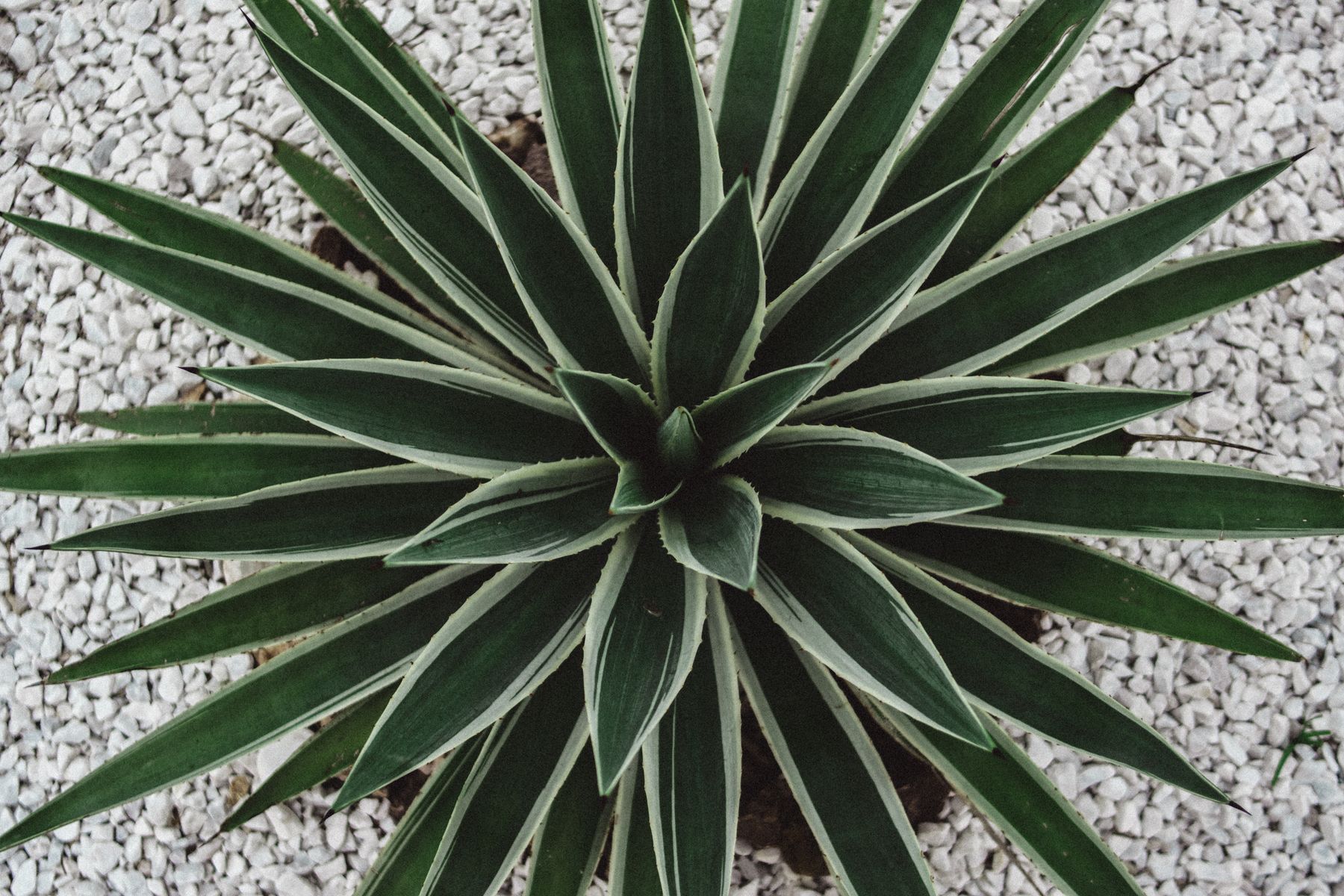
Xeriscaping is landscaping designed around low water use - which makes it a natural fit for the Phoenix desert, where summer highs top 110°F and outdoor watering is the biggest line on many summer bills. Done well it is not a gravel-and-cactus minimalist look: it is a colorful, low-maintenance yard that thrives on a fraction of the water a grass lawn demands.
What xeriscaping actually means
The term comes from the Greek 'xeros' (dry) and was coined in Denver in the 1980s. It is built on a few simple principles: design with water in mind, improve the soil, water efficiently (drip, not spray), choose desert-adapted plants, keep any turf small and practical, mulch with rock or decomposed granite, and maintain it lightly. In the Phoenix climate, converting a traditional lawn to a well-planned xeriscape commonly cuts landscape water use by 50 to 75 percent.
The best low-water plants for Phoenix
Accent and architectural plants like agave, golden barrel cactus, ocotillo, desert spoon (sotol), and red yucca give year-round structure. For filtered shade, desert-adapted trees include palo verde (the Arizona state tree), desert willow, mesquite, and ironwood. Hardy shrubs include Texas sage (Leucophyllum), brittlebush, and jojoba. For color, lantana, bougainvillea, desert marigold, globe mallow, penstemon, and autumn sage (Salvia greggii) flower in the heat. Plant in fall or early spring so roots establish before summer - avoid planting in peak July and August heat.
Decomposed granite, rock mulch and hardscape
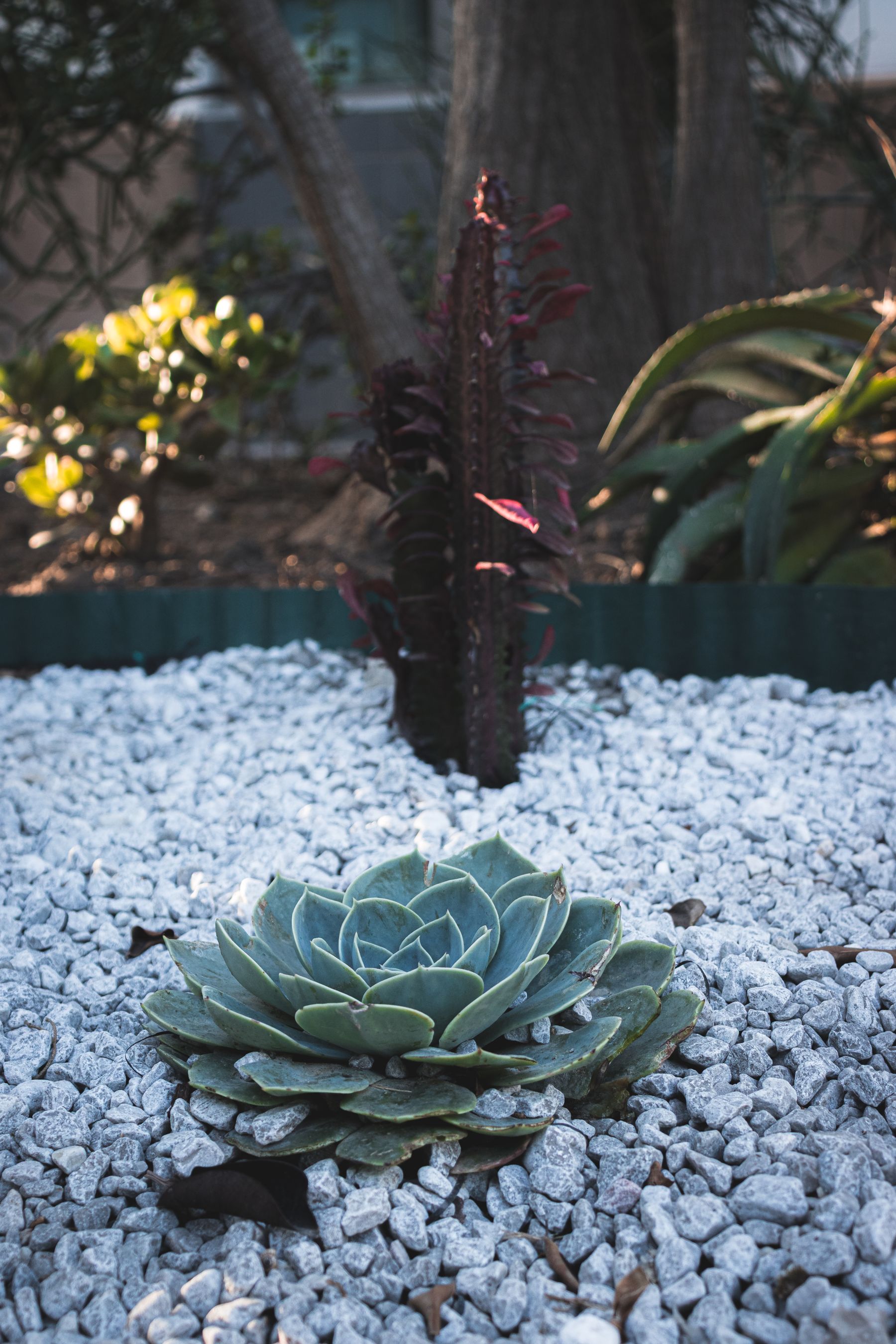
Decomposed granite (DG) is the Phoenix standard ground cover - it compacts into a natural-looking surface and comes in desert tones. A layer of rock mulch over the soil suppresses weeds, holds in soil moisture, and keeps roots cooler than bare dirt. Hardscape elements - paver patios, flagstone paths, and dry creek beds - add structure and usable space without adding water demand.
Efficient drip irrigation
Drip irrigation delivers water straight to the root zone and is far more efficient than spray sprinklers, which lose a lot of water to evaporation in dry desert heat. Put the system on a timer, water deeply but infrequently to encourage deep roots, and adjust the schedule by season - more in summer, much less in winter. Tip: check with your local water provider or city, as many Phoenix-area utilities offer rebates for removing grass or installing a smart irrigation controller.
Cost and getting started
Xeriscaping usually costs more up front than seeding a lawn, but it pays back through lower water bills and far less maintenance over time. For real Phoenix price ranges by project type, see our landscaping cost guide. When you are ready, the right desert-landscaping pro is what separates a yard that thrives from one that struggles - browse vetted local landscapers below.
Frequently asked questions
Does xeriscaping really lower my water bill?
Yes. Outdoor watering is often the single largest part of a Phoenix summer water bill, and replacing turf with a well-designed xeriscape commonly cuts landscape water use by 50 to 75 percent. Many local utilities also offer turf-removal rebates that offset some of the upfront cost.
Is xeriscaping just rocks and cactus?
No. A good xeriscape uses flowering plants, shade trees, and varied textures for a lush, colorful look - it simply chooses desert-adapted species that need very little water instead of thirsty grass and tropical plants.
When is the best time to plant in Phoenix?
Fall (roughly October to November) is ideal, so roots can establish through the mild winter before summer arrives. Early spring also works. Avoid planting during the peak summer heat.