How often to change your air filter and why
Updated 2026-07-08
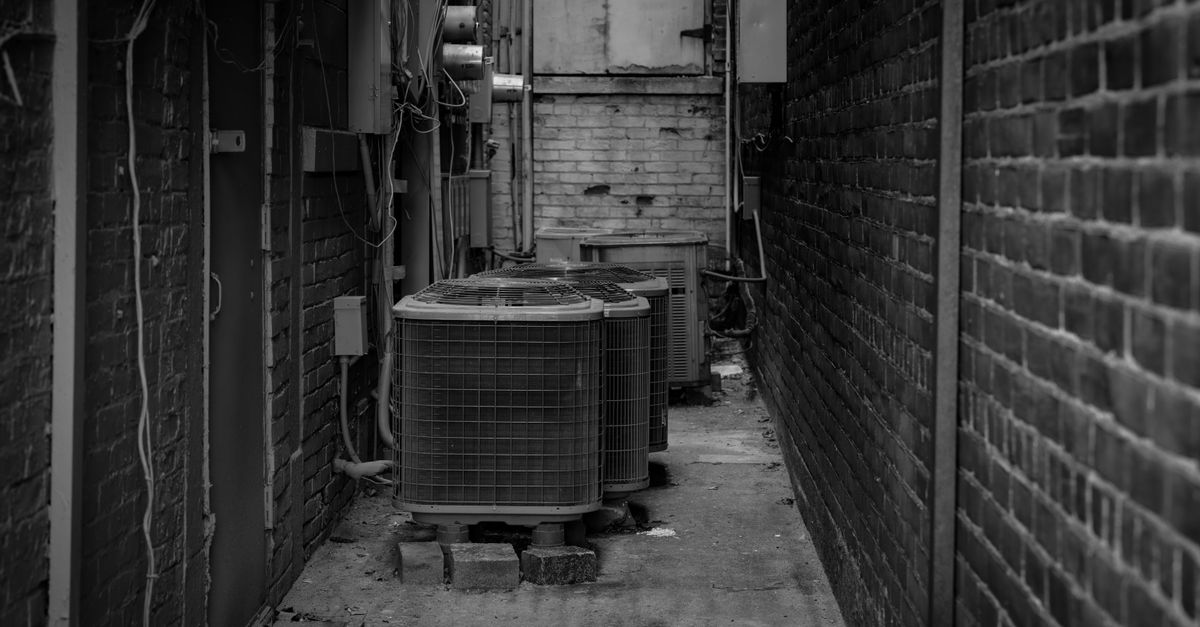
The air filter is the cheapest, most overlooked part of an HVAC system. A clean one protects airflow, energy use, and the equipment itself. Here is how often to change it and why it matters more than most homeowners realize.
What the filter actually does
The filter catches dust, pet hair, and other particles before air moves through the system and into your home. As it collects debris, it gets harder for air to pass through. A clogged filter forces the blower motor to work harder, which wastes energy and can shorten the life of the equipment.
A general schedule
Most standard filters need changing every one to three months. A single person with no pets in a low-dust area can often stretch to the three-month mark. A household with pets, allergies, or nearby construction should check monthly and may need to change it that often. Thicker, higher-efficiency pleated filters often last longer than thin fiberglass ones, so check the manufacturer's guidance for your specific filter.
Signs it is overdue
Hold the filter up to a light. If you cannot see light through it, it is overdue. Other signs include weaker airflow from the vents, the system running longer to reach the same temperature, dust building up faster than usual around vents, and a noticeable rise in the energy bill with no change in habits.
Why a clogged filter costs more than the filter itself
A restricted filter makes the whole system work harder to move the same amount of air. Over time that added strain can lead to a frozen evaporator coil, higher energy bills, and premature wear on the blower motor and compressor. A filter itself is inexpensive. The repairs that follow years of neglect are not.
How to make it a habit
Write the change date on the filter frame with a marker, or set a recurring reminder on your phone. Keep a small stock of the correct size on hand so a forgotten filter never turns into a skipped month. If your system uses a whole-home air cleaner or a filter behind a return grille rather than at each vent, confirm with the manufacturer or an HVAC technician how often that specific type needs attention.
Frequently asked questions
How do I know what size filter I need?
Check the frame of your current filter. The dimensions are usually printed on the edge. If you cannot find them, an HVAC technician can confirm the correct size and the filter type your system is designed for.
Does a higher-efficiency filter always work better?
Not automatically. A filter rated higher than your system is designed to handle can restrict airflow and strain the blower motor. Check your system's manual or ask an HVAC technician before upgrading to a much higher-rated filter.
Can I just clean and reuse a filter?
Some washable filters are designed for this and can be reused after cleaning and full drying. Standard disposable filters should not be cleaned and reused, since rinsing can damage the material and reduce how well it captures particles.
What happens if I forget to change the filter for a long time?
Airflow drops, energy use rises, and the system works harder for the same result. Left long enough, a badly clogged filter can contribute to a frozen coil or a strained blower motor, both of which cost far more to repair than a filter costs to replace.