AC maintenance for the Phoenix heat
Updated June 2026
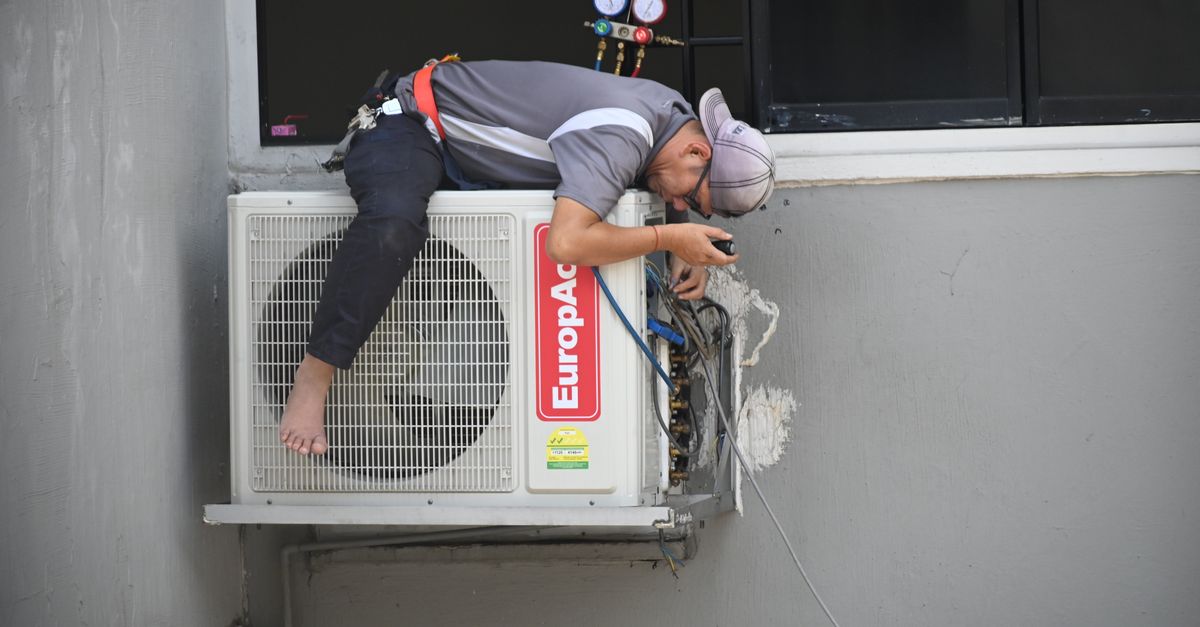
In Phoenix, your air conditioner is not a comfort appliance, it is a safety system, and it runs harder here than almost anywhere. A unit that would coast in a mild climate is asked to hold a 30-degree difference against 115-degree heat for five months straight. That workload, plus fine desert dust, is exactly why a little maintenance before summer pays off so much. The goal is simple: never be the house waiting days for a part in July.
The pre-summer tune-up
The single best HVAC habit in the Valley is a professional tune-up in spring, before the first real heat. A technician checks the refrigerant charge, cleans the outdoor condenser coil, tests the capacitor and contactor (the parts most likely to fail under load), checks the blower and airflow, and clears the condensate drain. Catching a weak capacitor in March is a cheap part; finding it when it fails at 115 degrees in July means an emergency call and a hot house. Many companies sell a yearly maintenance plan that bundles this, which is usually worth it here.
Filters, coils, and airflow
Desert dust is the quiet killer of AC efficiency. A clogged filter chokes airflow, makes the system work harder, and can freeze the coil. In a dusty Phoenix summer, check the filter monthly and change it every one to three months, more often with pets or construction nearby. Keep the outdoor unit clear of dust, leaves, and shrubs (a couple of feet of clearance), and gently rinse the condenser coil fins if they are caked with dust. Good airflow is the cheapest cooling upgrade there is.
Warning signs before a breakdown
Your AC usually warns you before it quits. Watch for cooling that cannot keep up on the hottest afternoons, air from the vents that is not as cold as it was, the system short-cycling (turning on and off rapidly), unusual noises like buzzing or grinding, a spike in your summer electric bill, or water pooling near the indoor unit (a clogged drain). Any of these in spring is a reason to call before the heat arrives, not after.
What you can do vs. call a pro
Homeowners can and should change filters, keep the outdoor unit clear, and rinse the coil gently. Refrigerant, electrical components, and the sealed system are licensed-pro territory, both for safety and because Arizona requires HVAC work to be done by an ROC-licensed contractor. Refrigerant in particular is regulated and not a DIY item. For what repairs and replacements run in the Valley, see our Phoenix HVAC cost guide, and browse vetted local HVAC pros below.
Frequently asked questions
How often should I change my AC filter in Phoenix?
Check it monthly during the long cooling season and change it every one to three months, sooner with pets or nearby dust and construction. Desert dust clogs filters fast, and a dirty filter chokes airflow, wastes energy, and can freeze the coil.
Is an annual AC tune-up worth it here?
In Phoenix, yes. A spring tune-up catches weak parts like the capacitor and contactor and cleans the coil before the system is pushed to its limit in summer. It is far cheaper than an emergency repair during a 115-degree week, which is exactly when units fail.
Why is my AC not keeping up on hot afternoons?
On the hottest days even a healthy unit can struggle, but if it is noticeably worse than past summers it often means low refrigerant, a dirty coil or filter, or an aging system losing capacity. Have it checked, because running it hard while it is weak is how small problems become compressor failures.
Can I add refrigerant to my AC myself?
No. Refrigerant is regulated, requires proper equipment and licensing, and a low charge usually means a leak that needs to be found and repaired, not just topped off. In Arizona this is work for an ROC-licensed HVAC contractor.