HVAC red flags:what to avoid in Flagstaff
Updated July 2026
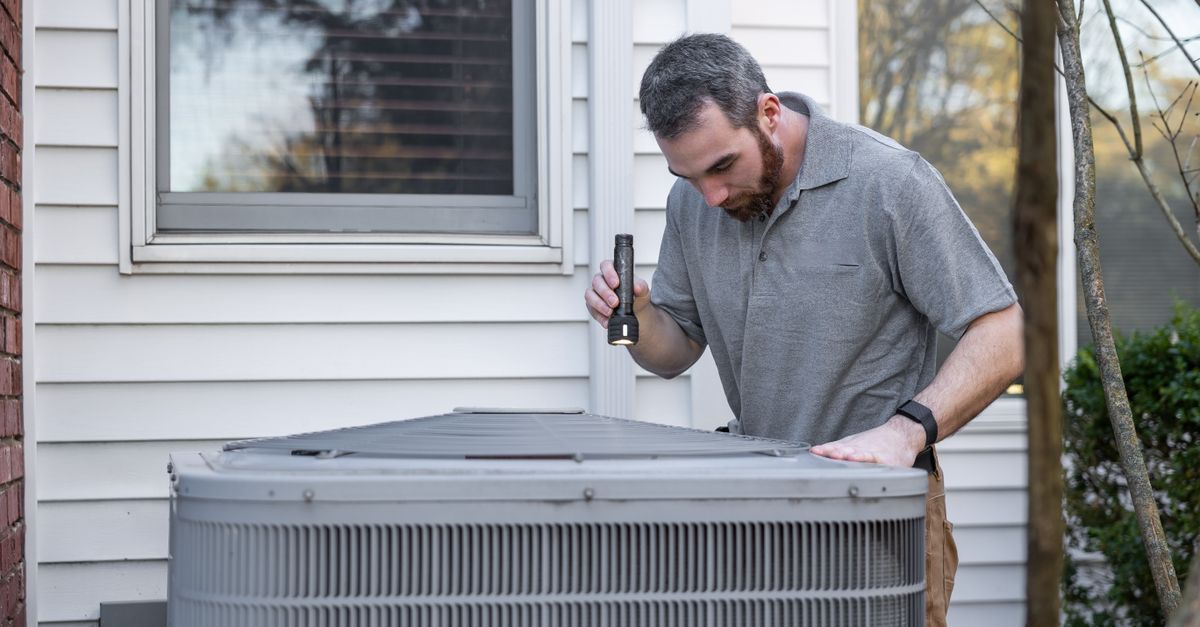
A no-heat night in a Flagstaff winter is exactly when people skip their usual caution and overpay. Knowing the warning signs ahead of time protects you. Some are universal; one is specific to a cold market where heating emergencies create urgency.
No license, no permit, guessed size
Three to walk away over: no verifiable Arizona ROC license, a plan to skip the mechanical permit, and a quote with no load calculation, just a size pulled from thin air or matched to the old unit without checking. Oversized and undersized heating both cost you every winter, and unpermitted gas work is a safety and resale problem.
No-heat pressure
When the furnace dies on the coldest night, some operators use the emergency to push a fast, expensive full replacement or to inflate the bill. A genuine emergency does need quick action, but you can still ask for a license number and get the price before work starts, and you can ask whether a repair would get you through until a proper replacement can be planned. Using the crisis to skip those questions is the red flag.
Cooling-first contractors and CO shortcuts
In a heating climate, be cautious of a contractor whose expertise is clearly desert air conditioning and who treats the furnace as an afterthought, and of anyone who skips heat-exchanger and carbon-monoxide checks or does not altitude-adjust gas equipment. These are safety items, not upsells, and a Flagstaff-competent contractor treats them as routine.
Frequently asked questions
What are the biggest HVAC red flags?
No verifiable ROC license, a quote with no load calculation, skipping the permit, high-pressure tactics during a no-heat emergency, and skipping heat-exchanger or carbon-monoxide safety checks.
My furnace died and a contractor is pushing a full replacement tonight. Normal?
A real emergency needs quick action, but you can still ask for a license number, get the price first, and ask whether a repair would get you through until a planned replacement. Using the crisis to skip those is the warning sign.
How do I protect myself?
Verify the ROC license, insist on a load calculation and a permit, keep deposits modest, and get a second opinion before agreeing to a full system replacement.