Fence material tradeoffs:wood, vinyl, block, steel
Updated 2026-07-08
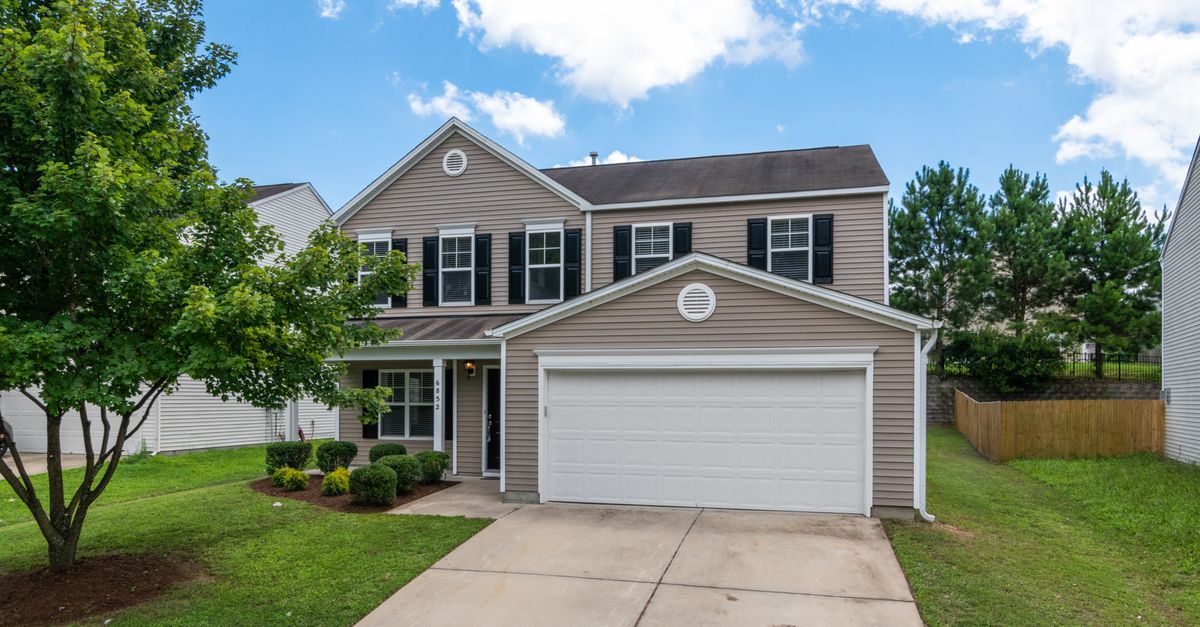
Choosing a fence material comes down to balancing privacy, maintenance, durability, and appearance. Each of the common options has real strengths and real tradeoffs worth understanding before you commit.
Wood
Wood is a classic choice that offers good privacy options and a natural look that suits many home styles. It generally costs less upfront than masonry or steel, but it requires more upkeep, including periodic staining or sealing, and it is more vulnerable to weather, insects, and rot over time than other materials.
Vinyl
Vinyl fencing is low-maintenance, does not need painting or staining, and resists rot and insect damage well. It comes in styles that mimic wood privacy fencing or classic picket looks. The tradeoff is a higher upfront cost than wood in many cases, and repairs to a damaged panel can be more noticeable since color matching an older installation is not always possible.
Block and masonry
Block or masonry walls are the most durable and lowest-maintenance option, and they offer strong privacy and sound dampening. They generally cost more upfront and take longer to build than other fence types, and any future changes, like adding a gate, are more involved than with wood or vinyl.
Steel and wrought iron
Steel and wrought iron fencing is strong, long-lasting, and often chosen for security or a decorative look rather than privacy, since the style is typically open rather than solid. It generally costs more than wood and needs occasional attention to prevent rust, especially in humid or coastal climates.
How to weigh the decision
Start with what you actually need the fence to do. If privacy is the priority, wood or vinyl solid-panel styles are usually the go-to. If low maintenance matters most, vinyl or masonry tend to win out. If security or a decorative boundary is the goal without full privacy, steel or wrought iron often fits best. A licensed fencing contractor can walk through the tradeoffs for your specific yard, climate, and HOA rules.
Frequently asked questions
Which fence material needs the least maintenance?
Block or masonry and vinyl both require relatively little upkeep compared to wood, which needs periodic staining or sealing, and steel, which can need rust prevention over time.
Which fence material offers the most privacy?
Solid-panel wood and vinyl fencing are the most common choices for full privacy. Block or masonry walls also offer strong privacy along with sound dampening, while steel and wrought iron are typically more open styles.
Does climate affect which material makes sense?
Yes. Humid or coastal areas can accelerate wood rot and steel rust, while intense sun exposure can affect vinyl and wood finishes over time. A local fencing contractor can recommend what holds up best in your specific climate.
Can I mix materials, like a wood fence with masonry pillars?
Yes, this is a common design choice that combines the look and durability of masonry with the cost and flexibility of wood or steel panels. Discuss the option with your contractor during the design phase.