Concrete and masonry maintenance for Tucson's climate
Updated July 2026
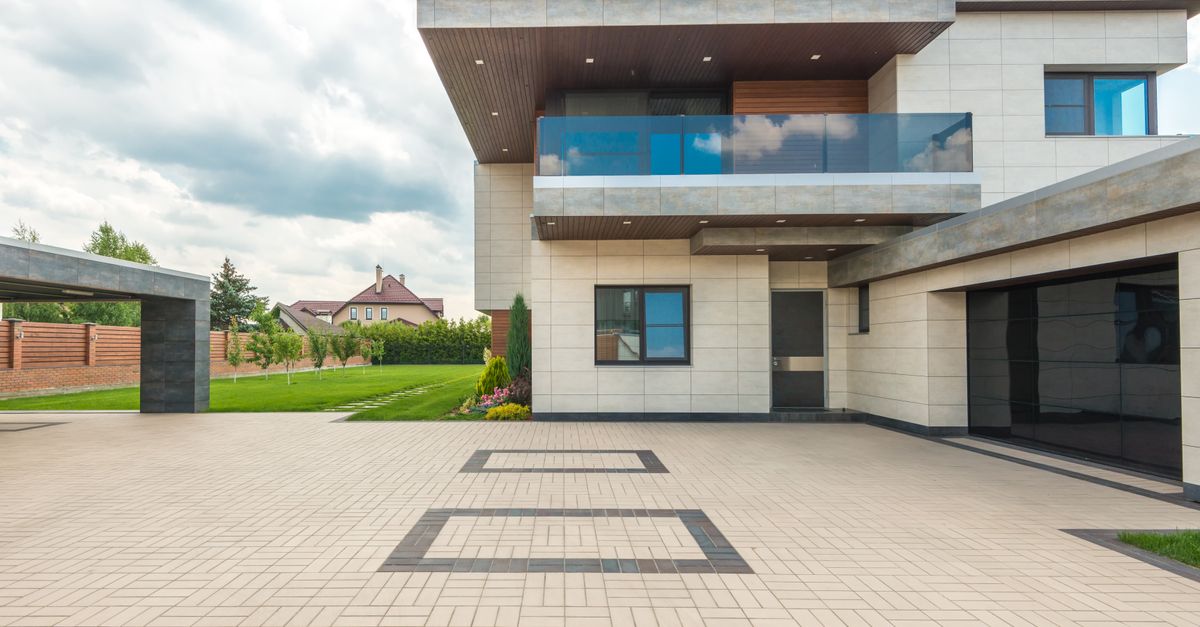
Concrete and masonry feel permanent, but Tucson's heat, soil, and monsoon put real stress on both over time. Sitting at roughly 2,400 feet elevation, Tucson sees enough winter freeze nights each year to matter for anything holding water. A seasonal look at cracks and drainage catches small problems before they become expensive ones.
The monsoon check
Tucson's monsoon season typically runs from late June through September, and it delivers more than half the area's annual rainfall in that stretch, often in short, heavy downpours. Before and after monsoon season, walk your patio, driveway, and any block walls looking for new or widening cracks, pooling water that is not draining away from the foundation, and any settling or unevenness in slabs. If your property has a wash (a dry channel that carries stormwater) crossing it, check that no wall is blocking or redirecting that flow, since a solid wall across a wash path can cause drainage problems for your property and your neighbors.
Winter freeze is a real Tucson factor
Tucson sits at about 2,400 feet elevation and typically sees around a dozen nights a year drop below freezing, usually from early December through the first week of February. That is enough for water sitting in a crack to freeze, expand, and widen it, so check for new or worsening cracks each winter, not just after monsoon. It is a milder version of freeze-thaw damage than a mountain climate sees, but it is a real seasonal factor worth checking for every year.
Heat, expansion, and caliche soil
Concrete expands and contracts with Tucson's big daily temperature swings, which is why control joints (the intentional grooves cut into a slab) exist, to guide cracking to a controlled spot rather than a random one. Caliche, a hard, cemented soil layer common in the Tucson area, sits a few feet below the surface in many yards and does not drain well; water pools on top of it and pushes sideways instead of down, which can shift slabs and wall footings over years as the soil above it swells and shrinks. Both effects are normal to a degree; it is rapid or widening change that is worth a professional look.
What you can do vs. call a pro
Homeowners can seal hairline cracks in a slab with a basic concrete crack filler, keep drainage clear of leaves and debris, and monitor for changes after monsoon storms and after winter cold snaps. Structural cracks, a leaning or bulging wall, or any slab that has visibly settled or heaved are licensed-pro work, both to diagnose the underlying cause (often caliche or drainage) and because a failing masonry wall can be a genuine safety hazard.
Frequently asked questions
Does Tucson get cold enough to damage concrete?
It can. Tucson's roughly 2,400 foot elevation means it sees around a dozen nights a year below freezing. Water sitting in an existing crack can freeze and widen it, so a winter check is worth doing alongside your monsoon check.
Why does my concrete patio keep cracking?
Some hairline cracking is normal as concrete cures and as it expands and contracts with Tucson's heat, and control joints are designed to guide that cracking to a controlled spot. Wider, spreading, or new cracks after a monsoon storm or a freeze can point to caliche soil movement or drainage issues underneath and are worth a professional look.