Cracks in concrete:which are cosmetic and which are structural warning signs
Updated 2026-07-08
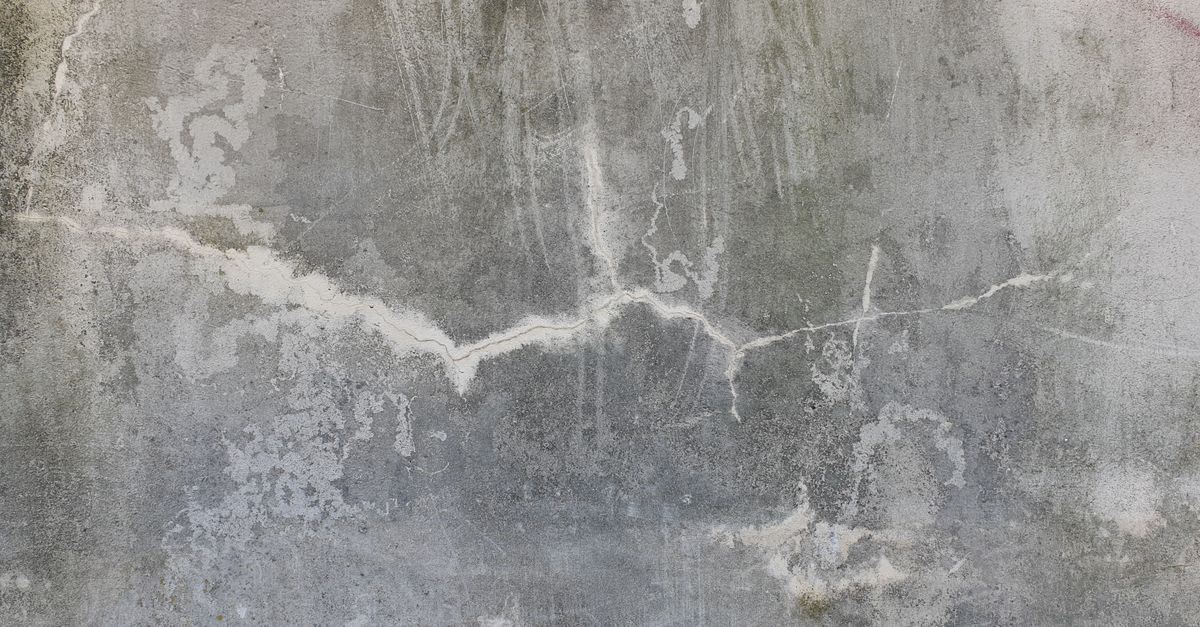
Not every crack in concrete is a problem. Concrete naturally develops small cracks as it cures and settles, and most are purely cosmetic. Others signal a real structural issue that needs a professional look. Here is how to tell the difference.
Hairline and shrinkage cracks
Thin cracks, generally less than about an eighth of an inch wide, that appear in the months after concrete is poured are usually shrinkage cracks. As concrete cures, it loses moisture and contracts slightly, which naturally creates these fine cracks. They are common, expected, and typically cosmetic rather than a sign of failure.
Cracks tied to weather and temperature
Freeze-thaw cycles and expansion joints doing their job can also produce small surface cracks over time, especially in climates with big temperature swings. These are generally cosmetic if they stay thin and do not widen, though sealing them can help prevent water intrusion that makes the problem worse over time.
Warning signs of a structural issue
Pay closer attention to cracks that are wider than about a quarter inch, that run diagonally rather than straight, that have one side higher than the other (a stepped or offset crack), or that are actively growing in width or length over weeks or months. These patterns can point to settling, poor soil support underneath, or a foundation issue rather than normal curing.
Location matters
A crack in a driveway or patio slab is usually lower stakes than the same crack pattern appearing in a foundation wall or a load-bearing structure. Cracks near corners of openings like windows and doors, or cracks that appear alongside doors and windows that are suddenly hard to open and close, deserve a closer look regardless of width.
When to call a professional
If a crack is wide, growing, stepped, or paired with other signs like sticking doors or uneven floors, have a licensed structural engineer or foundation specialist evaluate it rather than guessing. An evaluation is far less costly than letting a real structural issue go unaddressed, and in many cases the news is that the crack is nothing to worry about.
Frequently asked questions
Is a hairline crack in my driveway something to worry about?
Usually not. Thin shrinkage cracks that appear as concrete cures are common and typically cosmetic. Keep an eye on it, and have it checked if it starts widening or growing longer.
What crack width should concern me?
As a general guideline, cracks wider than about a quarter inch, or ones that are actively growing, warrant a professional look. Width alone is not the only factor though, direction and location matter too.
Do I need to fix every small crack?
Sealing small cracks can help prevent water intrusion and reduce the chance they grow, but not every hairline crack needs immediate repair. A concrete or masonry professional can tell you which ones are worth addressing now.
Can a crack in a wall mean a foundation problem?
It can, especially diagonal or stepped cracks, or cracks paired with doors and windows that stick. Not every wall crack means a foundation issue, but this combination is worth having a structural engineer evaluate.